Definition : What is SaaS e-commerce?


Over the past decade, the way online businesses are built has changed dramatically. In the early days of e-commerce, launching an online store often required significant technical expertise. Entrepreneurs had to manage hosting, install complex software, configure servers, and maintain their own infrastructure.
Today, this process has become much simpler thanks to SaaS e-commerce platforms.
SaaS, which stands for Software as a Service, refers to software delivered through the cloud and accessed through a web browser rather than installed locally. In the context of e-commerce, SaaS platforms allow entrepreneurs to create and manage online stores without needing to build or maintain the underlying technology.
Instead of dealing with servers, updates, and security systems, store owners simply subscribe to a platform that provides everything needed to run an online business. These platforms typically include tools for website creation, product management, payment processing, inventory tracking, and order fulfillment.
This model has dramatically lowered the barrier to entry for launching an online store. Today, entrepreneurs can create a fully functional e-commerce website in just a few hours using SaaS platforms such as Shopify and other cloud-based solutions.
Another key advantage of SaaS e-commerce is that the platform provider handles the technical infrastructure. Hosting, software updates, security patches, and performance optimization are all managed centrally. This allows business owners to focus on what truly matters: marketing, customer acquisition, and product development.
SaaS e-commerce platforms are also highly scalable. Whether a store processes a handful of orders per week or thousands of transactions per day, the cloud infrastructure can adapt to support the growth of the business.
Because of these advantages, SaaS e-commerce has become the dominant model for launching and managing online stores worldwide.
In this article, we will explore what SaaS e-commerce means, how it works, and why so many modern online businesses rely on this model to build scalable and efficient digital stores.
Because understanding SaaS e-commerce also helps explain why platforms like Shopify have transformed the way entrepreneurs launch and grow online businesses.
How Does SaaS E-Commerce Work?
SaaS e-commerce works by providing entrepreneurs with a cloud-based platform that includes all the tools required to launch and manage an online store. Instead of installing software locally or managing complex infrastructure, users access the platform through a web browser and operate their business from a centralized dashboard.
This model simplifies the technical side of e-commerce. The SaaS provider manages hosting, security, software updates, and system maintenance, allowing store owners to focus on running and growing their business.
To understand how SaaS e-commerce works, it is helpful to look at the different components that make up this ecosystem.
The first element is store creation and website infrastructure. SaaS e-commerce platforms provide built-in tools that allow users to design and customize their online stores. Entrepreneurs can select themes or templates, modify layouts, upload product images, and configure product pages without needing advanced programming knowledge.
These platforms typically include drag-and-drop editors or intuitive interfaces that simplify website design. As a result, entrepreneurs can launch a professional-looking store in a relatively short amount of time.
Another core component of SaaS e-commerce is product and inventory management. Within the platform dashboard, store owners can add products, define product variants such as sizes or colors, set pricing, and track inventory levels.
Because everything operates in the cloud, inventory updates happen automatically whenever an order is placed. This real-time synchronization helps prevent issues such as overselling or inventory discrepancies.
Order processing is another key function of SaaS e-commerce platforms. When a customer places an order on the website, the platform automatically records the transaction and updates the order management system. Store owners can then view orders, prepare shipments, and track the fulfillment process from their dashboard.
Many SaaS e-commerce platforms also integrate directly with shipping carriers and logistics partners. These integrations allow merchants to generate shipping labels, calculate shipping rates, and provide tracking information to customers.
Payment processing is another essential feature of SaaS e-commerce platforms. Most platforms support multiple payment methods such as credit cards, digital wallets, and online payment gateways.
Instead of integrating payment systems manually, merchants can activate built-in payment solutions or connect external payment providers. The SaaS platform handles the technical aspects of payment security, including encryption and compliance with payment regulations.
Marketing and analytics tools are also integrated into most SaaS e-commerce solutions. Store owners can track sales performance, analyze customer behavior, and monitor traffic sources through the platform’s reporting features.
These analytics dashboards provide insights into key metrics such as revenue, conversion rates, and average order value. Understanding these metrics allows entrepreneurs to optimize their marketing strategies and improve store performance.
Another important aspect of SaaS e-commerce is the app and integration ecosystem. Most platforms offer marketplaces where merchants can install additional applications that extend the platform’s capabilities.
For example, store owners can add tools for email marketing, customer loyalty programs, inventory forecasting, or customer support automation. These integrations allow businesses to customize their store’s functionality while maintaining the simplicity of a centralized platform.
One of the biggest advantages of SaaS e-commerce is automatic updates and system maintenance. Traditional software often requires manual upgrades or technical management. In contrast, SaaS platforms update their infrastructure and features automatically.
This means merchants always have access to the latest version of the platform without needing to install updates themselves. Security patches, performance improvements, and new features are deployed directly by the provider.
Scalability is another major strength of the SaaS model. Because the platform operates on cloud infrastructure, it can handle increasing traffic and order volumes as a business grows.
Whether a store processes ten orders per week or thousands per day, the platform adjusts resources accordingly. This scalability allows businesses to expand without worrying about server capacity or technical limitations.
Ultimately, SaaS e-commerce works by removing the technical complexity traditionally associated with launching an online store. By providing hosting, software, security, and operational tools within a single platform, SaaS providers allow entrepreneurs to focus on building their brand, marketing their products, and scaling their business.
In today’s digital economy, this model has become the standard approach for launching online stores because it combines accessibility, flexibility, and scalability.
For many entrepreneurs, SaaS e-commerce platforms represent the fastest and most efficient way to enter the world of online retail.
What Are the Advantages of SaaS E-Commerce Platforms?
The rapid growth of online commerce has been closely linked to the rise of SaaS e-commerce platforms. These solutions allow entrepreneurs to launch and manage online stores without dealing with complex technical infrastructure. Instead of building custom systems or managing servers, merchants can rely on platforms that deliver everything through the cloud.
For many businesses, this model offers significant advantages in terms of simplicity, scalability, and operational efficiency. Understanding these benefits helps explain why SaaS platforms have become the dominant approach for modern e-commerce.
Easy Setup and Fast Store Launch
One of the most significant advantages of SaaS e-commerce platforms is their ease of use. In the past, launching an online store often required web developers, server configuration, and complex software installations.
With SaaS solutions, entrepreneurs can create an account, choose a theme, upload products, and launch their store in a matter of hours. Most platforms provide intuitive dashboards and visual editors that make website customization accessible even to beginners.
This accessibility dramatically lowers the barrier to entry for starting an online business. Entrepreneurs can focus on their product strategy and marketing efforts instead of spending time on technical setup.
Built-In Hosting and Technical Infrastructure
Another major advantage of SaaS e-commerce platforms is that they include built-in hosting and infrastructure management. The platform provider manages servers, security systems, and software updates behind the scenes.
For store owners, this means they do not need to worry about website maintenance, server performance, or technical troubleshooting. The SaaS provider ensures that the platform remains stable, secure, and optimized.
This centralized infrastructure is especially valuable for entrepreneurs who do not have technical backgrounds or access to development teams.
Scalability for Growing Businesses
Scalability is another key benefit of SaaS e-commerce platforms. As an online store grows, the platform must be able to handle increased traffic, larger product catalogs, and higher order volumes.
SaaS platforms operate on cloud-based infrastructure, allowing them to automatically allocate resources when demand increases. Whether a store processes a few orders per week or thousands per day, the system can adapt to support the business.
This scalability allows entrepreneurs to focus on expanding their business without worrying about server capacity or website performance during peak periods such as product launches or promotional events.
Continuous Updates and Feature Improvements
Traditional software often requires manual updates or purchasing new versions when improvements are released. SaaS platforms operate differently. Because the software runs in the cloud, providers can deploy updates automatically.
This means merchants always have access to the latest features, security improvements, and performance enhancements without needing to install updates themselves.
Continuous development allows SaaS platforms to evolve alongside the e-commerce industry. New tools for marketing, analytics, automation, and integrations are regularly introduced to help merchants stay competitive.
Extensive Integrations and App Ecosystems
Most SaaS e-commerce platforms provide access to an ecosystem of third-party applications and integrations. These tools extend the platform’s functionality and allow businesses to customize their store according to their needs.
For example, merchants can integrate applications for email marketing, customer support, logistics management, analytics, or advertising automation.
This flexibility allows businesses to build a tailored operational stack without needing to develop custom software solutions.
Centralized Business Management
SaaS platforms provide a centralized dashboard where store owners can manage multiple aspects of their business. Within a single interface, merchants can monitor sales performance, manage inventory, process orders, and analyze customer data.
This unified system simplifies operations and improves efficiency. Instead of relying on multiple disconnected tools, entrepreneurs can control their store from one platform.
Centralized management also helps merchants gain better visibility into key business metrics, allowing them to make more informed strategic decisions.
Summary of SaaS E-Commerce Advantages
Advantage
Explanation
Easy Store Setup
Entrepreneurs can launch an online store quickly without advanced technical knowledge.
Built-In Hosting
The SaaS provider manages servers, security, and infrastructure maintenance.
Scalability
Cloud infrastructure allows stores to handle increasing traffic and order volumes.
Automatic Updates
New features, security patches, and performance improvements are deployed automatically.
App Ecosystem
Integration with third-party tools enables businesses to extend platform functionality.
Centralized Management
Store owners can manage products, orders, and analytics from a single dashboard.
Ultimately, SaaS e-commerce platforms provide a powerful combination of simplicity, scalability, and operational efficiency. By removing technical barriers and providing ready-to-use tools, they allow entrepreneurs to focus on what truly matters: building their brand, acquiring customers, and growing their business.
In today’s competitive digital landscape, this model has become the preferred solution for businesses looking to launch and scale online stores efficiently.
Why Is TrendTrack the Best SaaS for E-Merchants?
In today’s competitive digital environment, launching an online store is easier than ever. Platforms like Shopify allow entrepreneurs to build a professional e-commerce website in just a few hours. However, while technology has simplified store creation, competition has increased dramatically. Thousands of new brands enter the market every day, all competing for the same customers, products, and acquisition channels.
Because of this, the real challenge in e-commerce is no longer building a store it is identifying opportunities that allow your store to grow faster than your competitors.
This is precisely where TrendTrack becomes an essential SaaS tool for e-merchants.
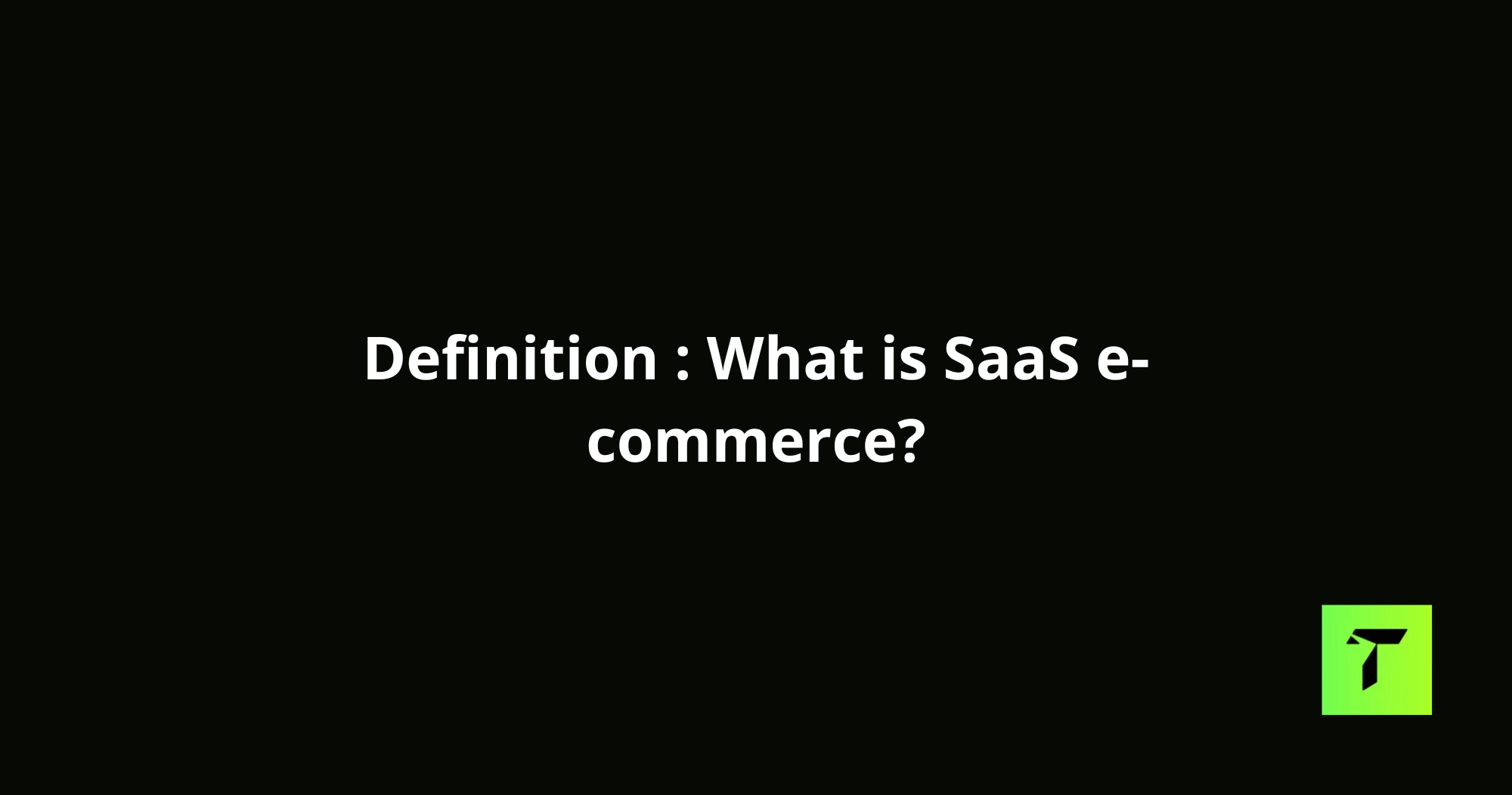
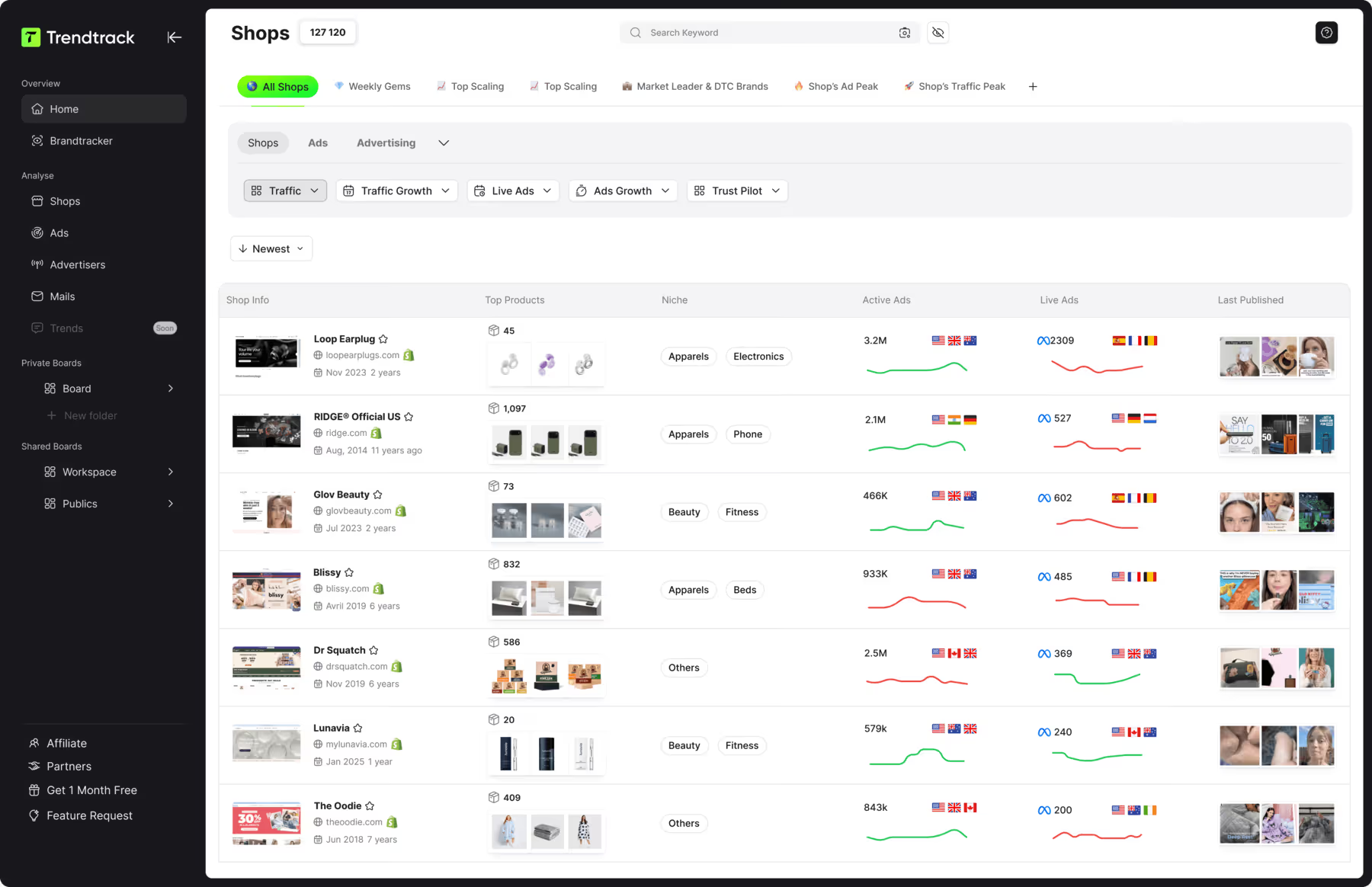
TrendTrack was designed to help online entrepreneurs move from guesswork to data-driven decision making. Instead of randomly testing products, running ads blindly, or entering saturated markets without understanding the competition, merchants can use TrendTrack to analyze their environment and discover real growth opportunities.
One of the biggest advantages of TrendTrack is its ability to provide deep market visibility. Many entrepreneurs launch products without fully understanding their niche. They may see a few competitors online but lack a complete overview of the market.
TrendTrack helps solve this problem by allowing users to explore the competitive landscape of their niche. E-merchants can identify stores operating in their market, analyze their performance, and understand how strong the competition truly is.
This broader perspective is extremely valuable because it allows entrepreneurs to detect high-potential niches before investing time and money into them.
Another powerful feature of TrendTrack is competitor traffic analysis. Understanding how much traffic competitors receive provides important signals about the size and demand of a market. If several stores in the same niche generate consistent traffic, it usually indicates that customers are actively searching for those products.
For entrepreneurs, this information can help validate product ideas before launching them.
TrendTrack also allows e-merchants to analyze best-selling products within competitor stores. Product research is one of the most difficult aspects of running an online business. Many entrepreneurs spend large advertising budgets testing dozens of products without knowing whether they truly have market demand.
By studying competitors’ best sellers, TrendTrack users can identify products that are already performing well in their niche. Instead of relying on random experimentation, they can focus on products with proven demand.
This significantly reduces the risk associated with launching new products and increases the probability of success.
Another important advantage of TrendTrack is its ability to reveal competitors that entrepreneurs might not have discovered on their own. Many successful stores operate quietly without strong brand visibility, yet they generate significant traffic and sales.
TrendTrack helps uncover these hidden competitors by mapping the market more broadly. This allows e-merchants to better understand who the real players are within their niche.
In addition to competitor analysis, TrendTrack also provides insights into the technical structure of Shopify stores. Users can identify which themes competitors use, which applications power their stores, and how their websites are structured.
This information can provide valuable inspiration for improving store design, optimizing conversion rates, and enhancing the customer experience.
Another powerful capability of TrendTrack is its ability to provide insights into TikTok Shop and social commerce trends. Social media platforms increasingly influence product discovery, and understanding which products gain traction on TikTok can help entrepreneurs identify emerging opportunities.
By combining competitor intelligence, product insights, and social commerce data, TrendTrack gives e-merchants a comprehensive view of their market.
Perhaps the most important advantage of TrendTrack is that it transforms raw data into actionable opportunities. Instead of spending hours searching for information across multiple platforms, entrepreneurs can access the insights they need within a single centralized tool.
This efficiency allows e-merchants to move faster when launching products, testing markets, and scaling their businesses.
Ultimately, TrendTrack helps entrepreneurs identify opportunities that can accelerate the growth of their online store. By understanding competitors, analyzing market demand, and discovering high-potential products, merchants can build strategies based on real data rather than assumptions.
In modern e-commerce, the brands that succeed are not necessarily the ones with the biggest budgets.
They are the ones that understand their market better than everyone else.
And that is exactly what TrendTrack was built to help e-merchants achieve.
Useful Sources:

.avif)
Ready to build a million-dollar brand?
.avif)