Top 6 Winning Products for Autumn 2026



Autumn began on September 22 and runs through December 21, which means you are roughly two weeks in with Black Friday on November 27 and the Christmas window still ahead. That timing matters: the categories gaining traction now are the ones that will absorb the heaviest advertising spend in six weeks.
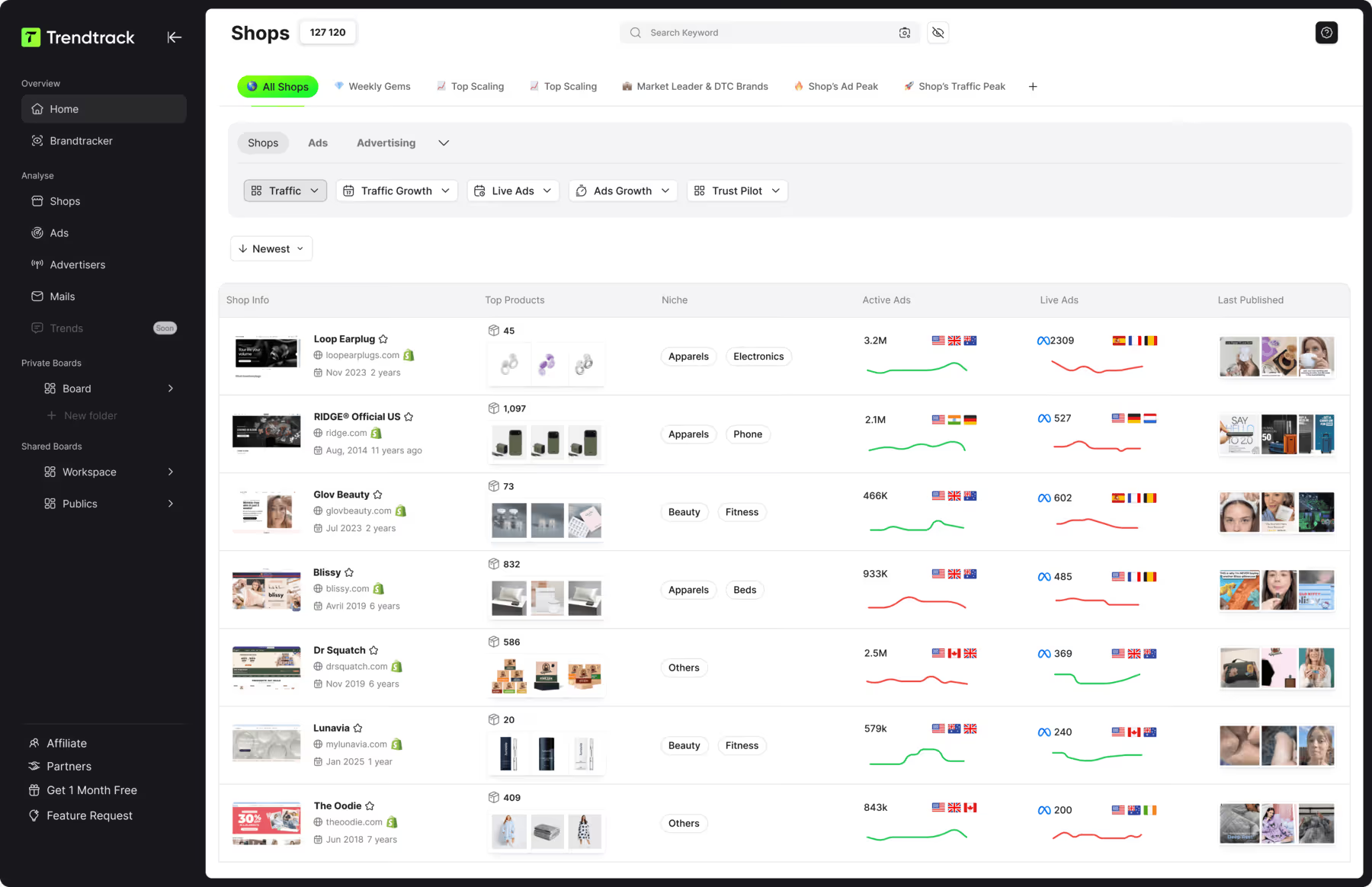
Most seasonal product lists rest on intuition or recycle last year's trends. We took a different approach. We queried Trendtrack's MCP directly, pulling live data on active ad counts, monthly traffic and 30-day growth across hundreds of thousands of brand profiles, then isolated the categories advertisers are genuinely scaling right now.
The signals are clear and they point somewhere specific. Comfort apparel dominates our entire extraction, with one brand running 3,364 active ads on a 49 dollar hoodie drawing over 19 million monthly visits and 18% growth. Nothing else in the data comes close to that advertising weight.
Premium blankets show the strongest momentum of any category. One brand posts 97% traffic growth on a 325 dollar product, another 74% growth with 1,582 active ads on a 69 dollar blanket. Both are scaling hard, and both sell at prices that absorb Black Friday acquisition costs comfortably.
Sleep products follow with a pillow brand recording 44% growth and a mattress brand sustaining 2,148 active ads. Magnesium supplements post 73% growth, riding the seasonal shift toward rest and recovery. At-home wellness devices show 30% growth, and orthotic comfort products hold steady with positive momentum.
What unites these six is a single underlying driver: autumn is when people invest in staying comfortable indoors. Temperatures drop, evenings lengthen, and spending shifts from going out to being home. Every category here benefits from that behavioral change, and every one of them doubles as a gift in six weeks.
One caveat before the ranking. Picking the product is the starting point, not the strategy. What determines your result is knowing which creatives and offers competitors are already scaling, which you can check before committing budget.
Trendtrack available at app.trendtrack.io/en/sign-up indexes 95 million TikToks and refreshes 700,000+ brand profiles every 24 hours, with full ad history preserved.
In this article we reveal the top 6 winning products for autumn 2026.
1. Comfort Hoodies and Loungewear

This category tops the ranking with the single heaviest advertising investment in our entire extraction. One brand runs 3,364 active ads on a hoodie priced at 49 dollars, drawing over 19 million monthly visits with 18% traffic growth over thirty days.
Nothing else in the data approaches that weight. A brand funding three thousand simultaneous creatives on one product is not testing, it is scaling something that works.
The seasonal logic is straightforward. Autumn shifts spending from going out to staying in, and loungewear sits exactly at that intersection. It is bought for oneself in October and bought as a gift in November, which gives the category two distinct demand peaks within the same season.
What makes this specific product interesting is its positioning rather than its features. A 49 dollar hoodie is not competing on fabric specifications against a 15 dollar alternative. It sells an identity and an emotional proposition, which is precisely what allows the price point.
The economics work accordingly. Loungewear sources between 8 and 18 dollars and retails between 40 and 70 dollars, giving margins around 70%. That headroom absorbs Black Friday acquisition costs comfortably, which matters enormously in six weeks.
Logistics are favorable too. Apparel is light, non-fragile, non-perishable and ships cheaply, with no volumetric weight penalty.
Two constraints require attention. Sizing drives returns in apparel more than in any other category, so clear guidance and generous charts reduce your post-purchase costs significantly.
And competition is intense, as those ad counts make obvious. Entering on a generic hoodie means competing against brands with established creative libraries.
The angle that works is a defined identity rather than a product specification: a message, an aesthetic, a community.
2. Premium Blankets
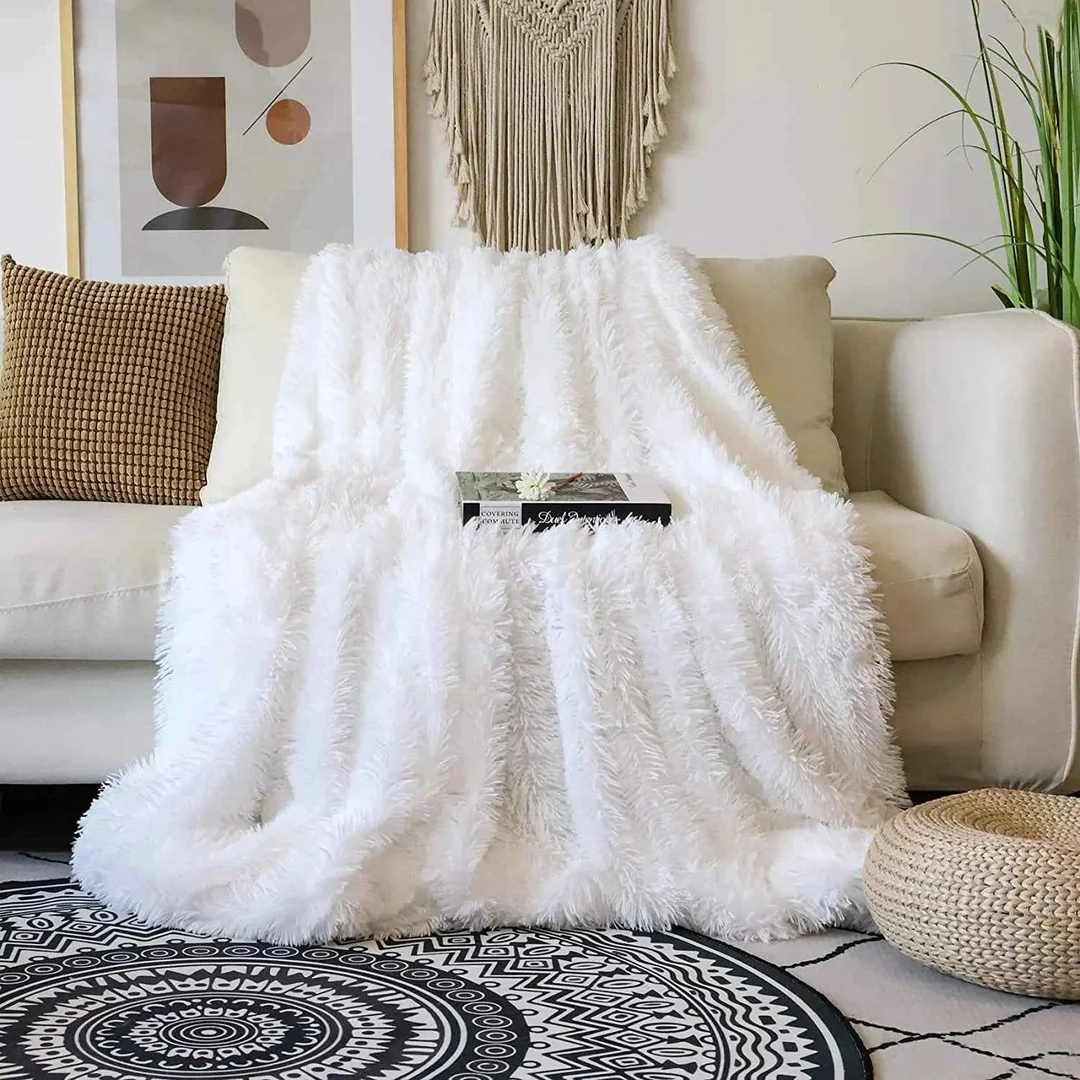
This category shows the strongest momentum in our entire extraction, and it does so at two very different price points, which makes the signal particularly instructive.
One brand records 97% traffic growth over thirty days on a blanket priced at 325 dollars, with 337 active ads and over 2.5 million monthly visits. Another posts 74% growth with 1,582 active ads on a 69 dollar muslin blanket drawing 5 million visits.
Nearly doubling traffic in a month is not seasonal drift. It is a category genuinely accelerating at precisely the right moment.
What the price spread reveals matters more than either figure alone. A blanket can sell for 69 or 325 dollars depending entirely on positioning rather than material. The premium brand is not selling warmth, it is selling an interior design object that happens to be functional.
The timing logic is obvious but worth stating. Temperatures drop, evenings lengthen, and a blanket becomes both a self-purchase and an exceptionally safe gift. You cannot buy someone the wrong blanket the way you can buy them the wrong sweater, which removes the main friction in gifting.
The economics favor the premium end. A 325 dollar product with 50% margin leaves roughly 160 dollars to fund acquisition, which makes paid advertising viable even at Black Friday CPMs. A 25 dollar item simply cannot support that.
Two constraints require planning. Shipping is the weak point, since blankets are bulky relative to their weight and push into higher volumetric brackets. Calculate this before setting your price.
And perceived quality must be real, because a buyer paying premium prices returns anything disappointing on touch.
3. Sleep and Recovery Products
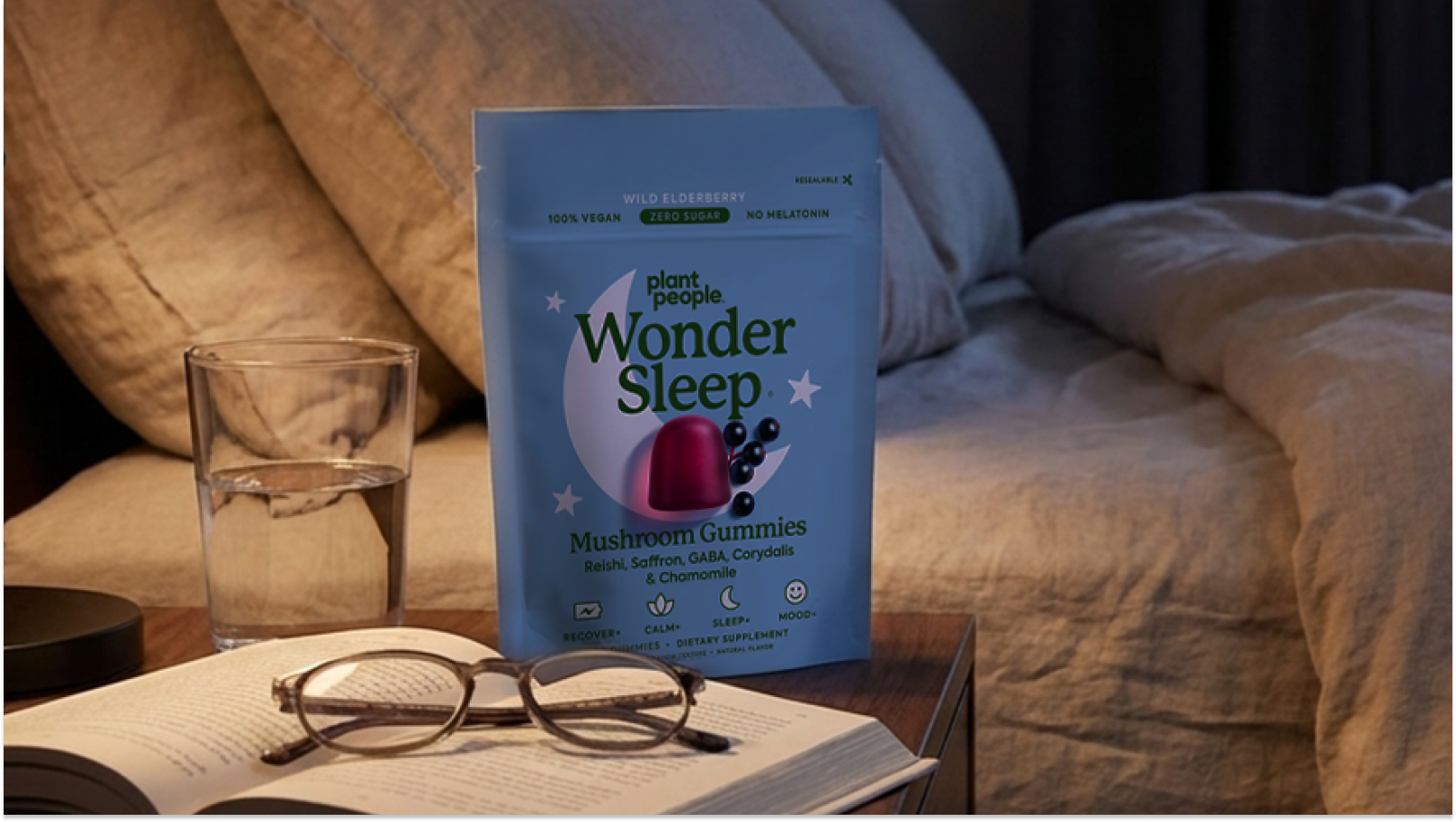
This category combines strong growth with substantial advertising commitment, which is a rarer pairing than it sounds. Most accelerating categories show momentum without volume, or volume without momentum.
The data shows both. One pillow brand posts 44% traffic growth over thirty days on a 49.99 dollar product with 318 active ads and over 3 million monthly visits. A mattress brand sustains 2,148 active ads with 15% growth, which is the kind of investment nobody funds without profitability behind it.
The seasonal driver is specific and well documented. Autumn brings shorter days, reduced light exposure and disrupted sleep patterns for a large share of the population. Search interest in sleep solutions climbs predictably from October onward, and it keeps climbing through winter rather than collapsing after a holiday.
That extended demand window is what distinguishes this category from purely seasonal plays. A blanket sells hardest in November and December. A pillow sells steadily from October through February.
The economics work favorably. Sleep products carry high perceived value relative to production cost, with pillows sourcing between 8 and 18 dollars and retailing between 45 and 80 dollars, giving margins around 70%.
Price points also absorb acquisition comfortably, which matters when CPMs spike in six weeks.
Two constraints deserve attention. Trust builds slowly in this category, since buyers research what they sleep on and hesitate before switching. Reviews and social proof function as acquisition assets rather than afterthoughts.
And bulk affects shipping on larger items, though pillows compress well and ship far more cheaply than mattresses.
The angle that works is a defined problem rather than generic comfort: neck pain, side sleeping, overheating at night.
4. Magnesium and Wellness Supplements
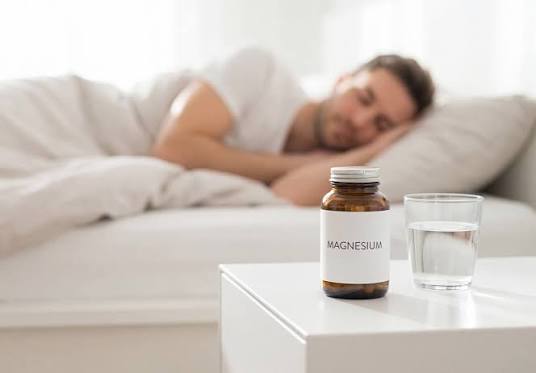
This category posts one of the strongest growth figures in our extraction. A magnesium brand records 73% traffic growth over thirty days with 559 active ads and over 2.7 million monthly visits, on a monthly supply priced around 80 reals.
That combination of acceleration and sustained advertising volume indicates a category gaining ground rather than simply holding position.
Magnesium specifically benefits from a convergence of seasonal drivers. Autumn brings reduced light exposure, disrupted sleep and lower energy for a significant share of the population, and magnesium sits at the intersection of all three concerns. Search interest climbs reliably from October through winter.
The category also carries a structural advantage no other product in this ranking shares: it is consumed. A buyer who finds the product effective reorders every thirty days indefinitely, which means your acquisition cost amortizes across a year of orders rather than a single sale. In a period where CPMs spike, that changes what you can afford to bid.
The economics are strong. Supplements typically carry 60 to 80% gross margin once sourced at volume, and bundling a three-month supply raises average order value without proportional cost increase.
Timing works in your favor too. Where gifting categories collapse in January, supplements accelerate as buyers purchase for themselves ahead of New Year resolutions.
Two constraints are serious and non-negotiable. Regulation is strict, with health claims tightly controlled and advertising policies on Meta and TikTok restricting what you can say. Your creative angles must work inside those boundaries.
And competition is intense, which makes entering on a generic product difficult. Specificity wins: a defined audience, a precise concern.
5. At-Home Wellness Devices
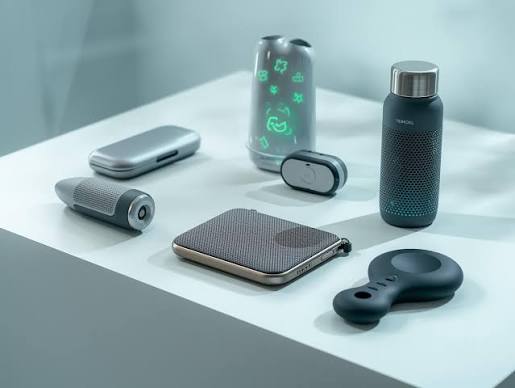
This category shows solid momentum with a profile that differs from everything above it. A foot spa device priced at 99.90 dollars posts 30% traffic growth over thirty days with 51 active ads and over 2.7 million monthly visits.
The ad count is modest compared to other categories in this ranking, and that is precisely what makes the signal interesting. It indicates a category where demand exists and competitive pressure has not yet saturated the space, which is a far better entry point than a market already carrying three thousand active creatives.
The seasonal driver is the same that powers the rest of this list. Autumn shifts spending indoors, and self-care rituals that happened at a salon in summer migrate home as evenings lengthen and temperatures drop.
The price point is the main commercial advantage. At 99.90 dollars, the product absorbs Black Friday acquisition costs comfortably, which is exactly what a 25 dollar item cannot do when CPMs spike. A 100 dollar device with 55% margin leaves roughly 55 dollars to fund a sale.
It also functions as an excellent gift, which widens your audience considerably. Wellness devices require no sizing, no taste judgment and no knowledge of the recipient's preferences.
Three constraints require genuine attention. Regulatory care matters since health claims on devices are controlled, and promising therapeutic benefits without substantiation creates real exposure.
Shipping costs more than for soft goods, since devices are heavier and often require protective packaging.
And quality perception is immediate. A buyer paying 100 dollars returns anything feeling cheap on arrival, so sourcing matters more than in lighter categories.
6. Orthotic and Foot Comfort Products
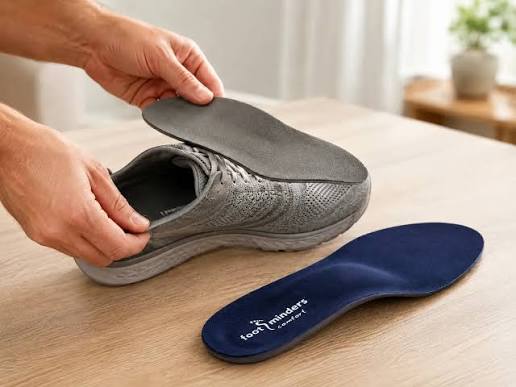
This category closes the ranking with the steadiest profile of the six. An orthotic insole brand holds 124 active ads on a 49.99 dollar product with nearly 4 million monthly visits and positive growth over thirty days.
The numbers are less spectacular than the 97% growth seen on blankets, and that is exactly the point. This is not a category riding a seasonal spike, it is one with permanent underlying demand that autumn amplifies rather than creates.
The seasonal driver is practical. Colder months mean closed shoes, boots and more time standing indoors, which brings foot discomfort to the surface for people who went barefoot or in sandals through summer. Search interest climbs accordingly from October.
What makes this category commercially interesting is its problem-driven purchase logic. Nobody buys orthotic insoles for pleasure. They buy because something hurts, which means intent is high and price sensitivity is comparatively low. That dynamic produces conversion rates generalist products rarely achieve.
The economics work well. Insoles source between 6 and 15 dollars and retail between 40 and 60 dollars, giving margins around 70%. They are also light, flat, non-fragile and cheap to ship, which protects that margin where bulkier categories lose it.
Repeat purchase adds a further advantage, since insoles wear out and buyers who find a product effective reorder within six to twelve months.
Two constraints matter. Sizing and fit generate more support questions than you expect, so clear guidance reduces your workload considerably.
And health claims are regulated, which means describing comfort rather than promising to treat conditions.
The angle that works is a specific concern: plantar pain, standing work, running recovery.
Useful Sources:

.avif)
Ready to build a million-dollar brand?
.avif)