Dropispy review 2026: Is it a good tool?


Every dropshipper reaches a point where gut feeling and basic product browsing stop being enough. The stores that are consistently scaling past five figures per month are not finding their winning products by scrolling AliExpress or hoping something catches their eye. They are using competitive intelligence tools that show them exactly what is working in the market before everyone else figures it out.
Dropispy has been one of the most talked-about tools in that space since it launched. With a database of over 50 million Facebook ad creatives, detailed engagement metrics, and audience demographic data, it built a strong reputation among dropshippers who wanted to identify winning products by analyzing what competitors were actively spending money on.
But in 2026, the dropshipping intelligence landscape has evolved significantly and the question worth asking is not just whether Dropispy works, but whether it still represents the best investment for the specific intelligence needs of a serious ecommerce operator today.
This is an honest, independent review. We are going to walk through exactly what Dropispy does well, where its limitations become significant for scaling operators, who it is genuinely the right tool for, and how it compares to the alternatives that have emerged in the space since it launched. No affiliate bias, no marketing language just a clear-eyed assessment of what the platform actually delivers in real-world dropshipping research workflows in 2026.
Whether you are evaluating Dropispy for the first time or reconsidering whether your current subscription is still the best use of your research budget, this review gives you everything you need to make a confident, informed decision.
Dropispy Review: Is It the Best Tool for E-Commerce Businesses in 2026?
To answer this question honestly, you need to evaluate Dropispy against the specific demands of ecommerce research in 2026 rather than against the version of the dropshipping landscape it was built to serve. And when you do that evaluation clearly, the answer is nuanced Dropispy is genuinely strong in specific areas, genuinely limited in others, and whether it is the best tool for your business depends almost entirely on what kind of intelligence you need most.
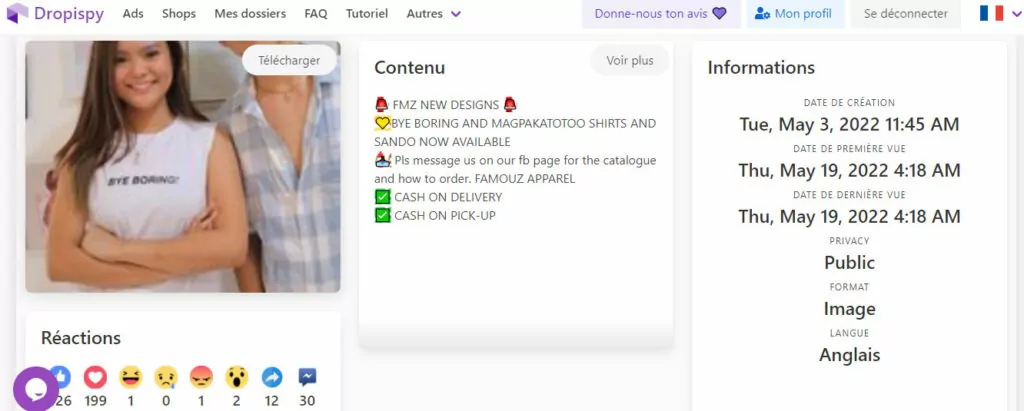
What Dropispy does well is Facebook ad intelligence at scale. The platform's database of over 50 million ad creatives, updated with approximately 20,000 new ads daily, is one of the largest collections of Facebook advertising data available to dropshippers anywhere. The search and filtering functionality allows operators to sort ads by engagement metrics, estimated spend ranges, ad duration, audience demographics, and creative format giving users a detailed, filterable view of Facebook advertising activity across virtually every ecommerce niche. For operators whose primary product research methodology is identifying what competitors are actively spending money on Facebook and reverse-engineering the products behind those campaigns, Dropispy provides a genuinely useful and well-organized intelligence source.
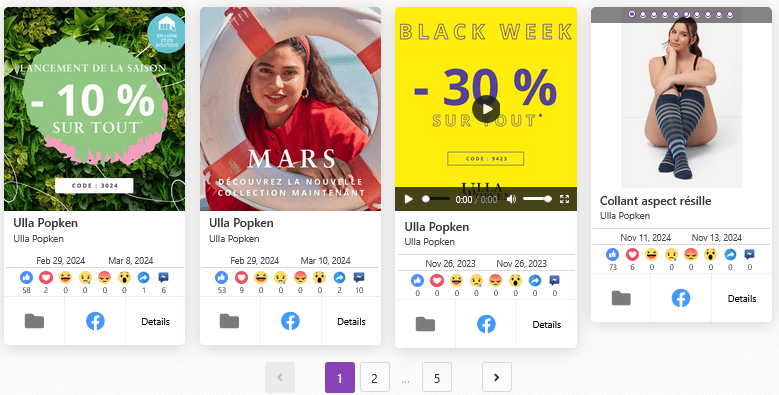
The shop analysis feature adds a layer of store-level context that goes beyond basic ad creative browsing. When you identify an ad that interests you, Dropispy allows you to click through to an analysis of the store running it surfacing basic information about their product range, their active ads, and their advertising activity history. For operators who want to understand the broader store context behind a specific ad they have found, this feature reduces the manual research required to connect an ad creative to the business strategy behind it.
Where Dropispy begins to show significant limitations is in the depth and freshness of the intelligence it provides relative to the demands of the 2026 ecommerce environment. The platform is fundamentally a Facebook ad spy tool and that platform concentration is a structural constraint that becomes increasingly significant as the ecommerce discovery landscape diversifies. Products gaining momentum through organic search, through TikTok virality, through influencer content, or through emerging social platforms are essentially invisible within Dropispy's intelligence framework. In a market where some of the highest-margin product opportunities in 2026 are building demand outside of Facebook's advertising ecosystem entirely, this blind spot is consequential.
Data freshness is a second limitation that experienced Dropispy users consistently flag in honest assessments of the platform. The processing cycle between when an ad runs in the real world and when it surfaces prominently in Dropispy's database introduces enough lag that products appearing in the platform's trending sections are frequently already well into their saturation phase by the time most users act on them. In a dropshipping environment where the window of profitable first-mover advantage on a trending product can be measured in days rather than weeks, this lag is not a minor inconvenience it is a direct cost measured in missed opportunity and compressed margins.
The absence of organic trend intelligence, competitor store traffic data, and niche-level market analysis means that Dropispy users making serious product and market entry decisions need to supplement the platform with additional tools to fill the intelligence gaps it leaves. Traffic estimators, niche research tools, and trend tracking platforms all become necessary additions to the research stack creating the kind of multi-tool complexity that costs time, money, and focus.
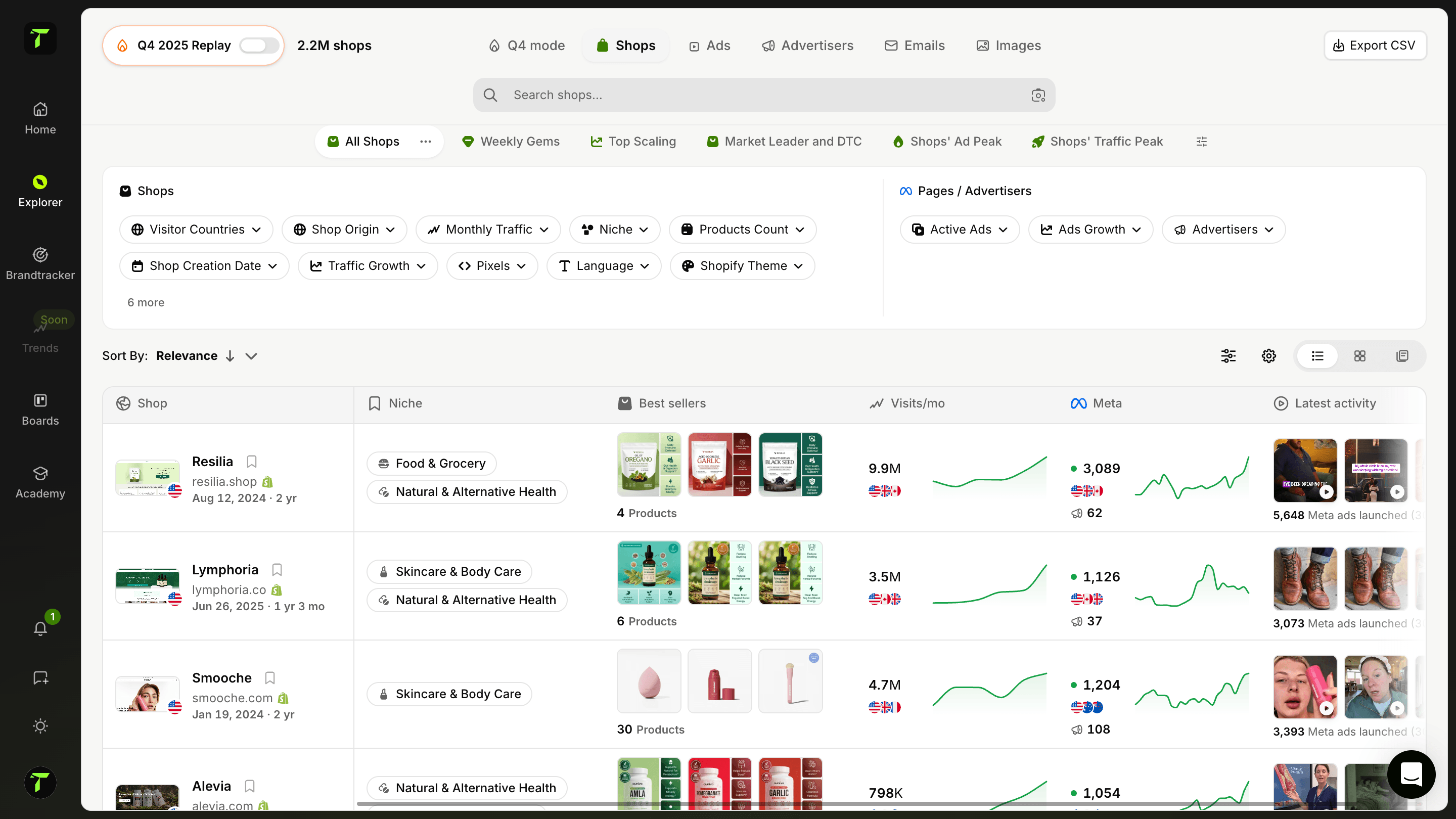
The honest assessment is this: Dropispy is a strong Facebook ad intelligence tool that serves a specific research use case well. For operators who need deep Facebook creative analysis as part of a broader research stack that covers other intelligence dimensions through additional platforms, it delivers genuine value. For operators looking for a single, comprehensive ecommerce intelligence platform that covers product discovery, competitor store analysis, organic trend monitoring, and ad intelligence simultaneously platforms like TrendTrack represent a more complete solution that eliminates the need for the multi-tool stack Dropispy requires.
Dropispy Key Features Breakdown
Understanding exactly what Dropispy offers at the feature level is essential for evaluating whether its capabilities match your specific research needs. Here is a precise breakdown of the platform's core features and an honest assessment of how each one performs in practice.
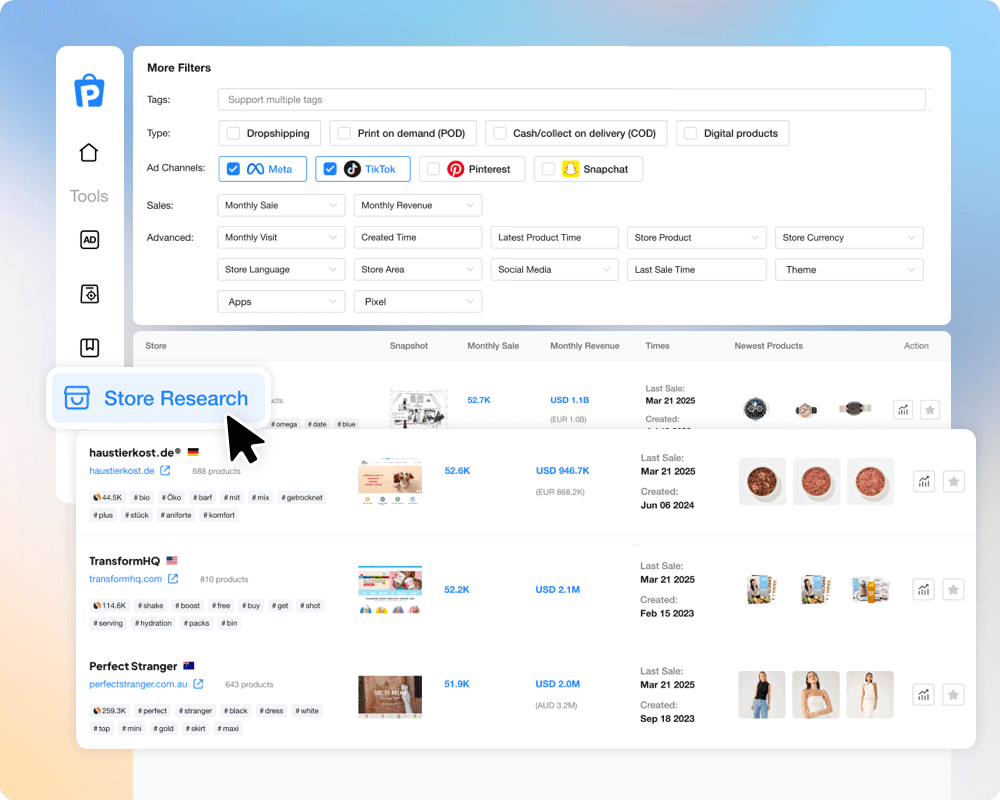
Ad Creative Database is Dropispy's flagship feature and the primary reason most operators subscribe to the platform. With over 50 million Facebook ad creatives and approximately 20,000 new additions daily, the database is one of the largest available in the dropshipping intelligence space. Users can search by keyword, niche, engagement metrics, ad format, country targeting, and estimated spend range giving experienced researchers a powerful filtering interface for identifying ads that are currently generating significant activity.
Shop Analysis allows users to click through from any ad in the database to a profile of the store running it. This profile surfaces the store's active ad count, their product range, and their advertising history providing basic store-level context that helps operators understand the business strategy behind specific creatives they have identified as interesting.
Engagement and Spend Metrics give users visibility into how individual ads are performing in terms of likes, comments, shares, and estimated spend activity. These metrics serve as a proxy for identifying which ads are currently converting well for their operators since brands do not typically scale ad spend on creatives that are not delivering profitable results.
Geographic Targeting Data reveals which countries specific ads are being served in useful intelligence for operators who want to identify products that are performing well in specific markets and assess whether those opportunities are replicable in their own target geography.
Daily New Ad Alerts allow users to set up notifications for new ads matching their saved search criteria a useful feature for operators who want to monitor competitive activity in specific niches without manually running searches every day.
Feature
Dropispy
Performance
Ad Creative Database
50M+ creatives
Excellent
Daily New Ads
20,000+ per day
Strong
Facebook Ad Intelligence
Deep filtering
Excellent
TikTok Ad Coverage
Limited
Weak
Shop Analysis
Basic store data
Moderate
Store Traffic Data
Not available
None
Organic Trend Intelligence
Not available
None
Niche Validation Tools
Not available
None
Chrome Extension
Not available
None
AI Integration
Not available
None
Real-Time Data
Delayed
Weak
Multi-Platform Coverage
Facebook focused
Limited
The feature table reveals Dropispy's core strength and its core limitation simultaneously. It is an exceptional Facebook ad intelligence tool that delivers no intelligence outside of paid social advertising making it a specialist instrument rather than a comprehensive ecommerce research platform.
Dropispy Review 2026: Dropispy vs Trendtrack
What Each Platform Is Actually Built For
The most important thing to understand about this comparison is that Dropispy and TrendTrack are not really the same type of tool even though they are frequently compared as alternatives. Dropispy is a Facebook ad intelligence platform. Its entire architecture, its database, its filtering system, and its value proposition are built around one intelligence source: Facebook advertising creative data.
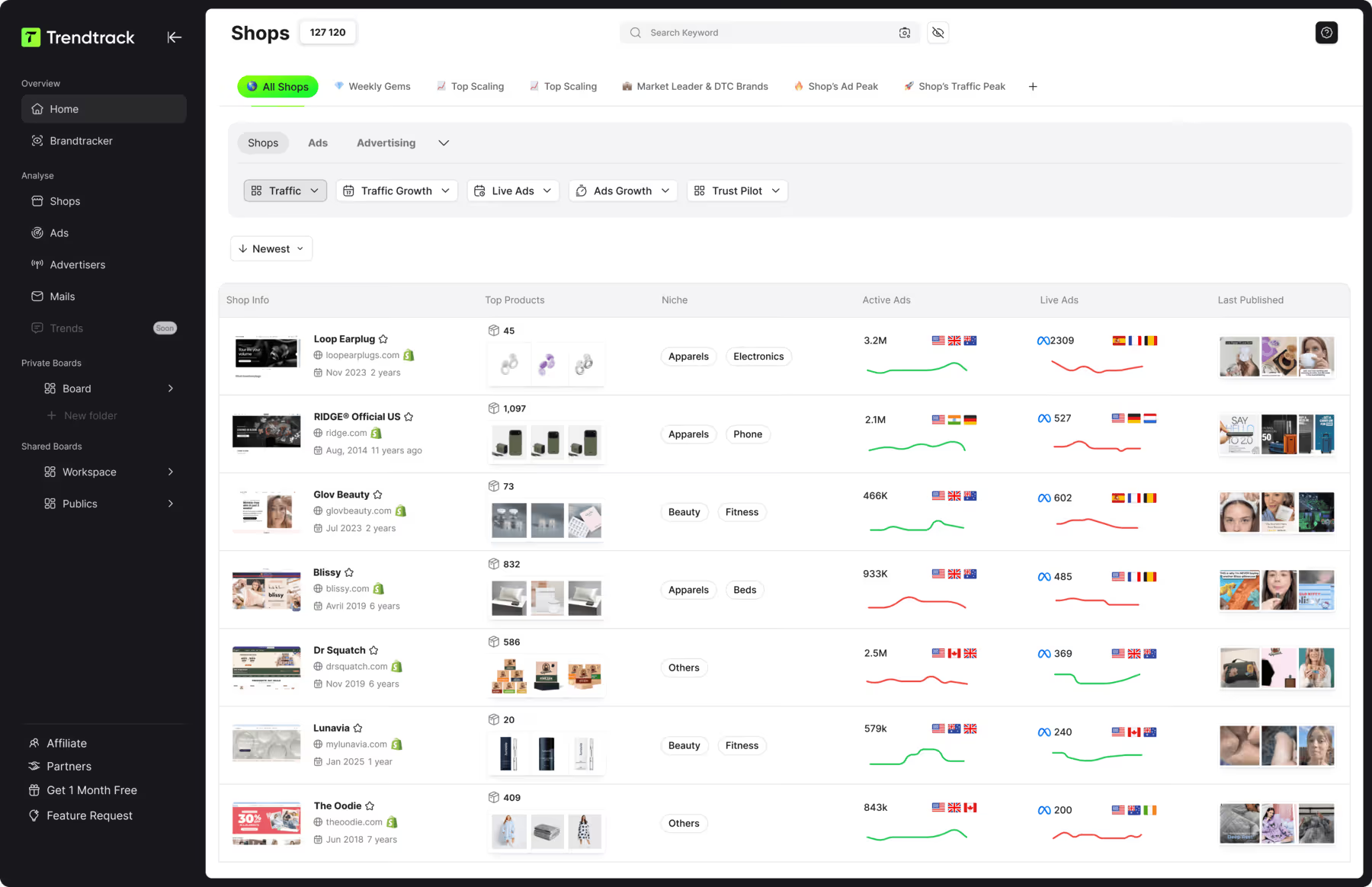
TrendTrack is a comprehensive ecommerce intelligence platform. Its architecture connects product trend data, competitor store traffic, ad activity signals across multiple channels, niche validation tools, and real-time market monitoring in a single unified system designed to answer every meaningful question an ecommerce operator needs to answer before making a product or market entry decision.
This distinction matters because it defines the ceiling of what each platform can tell you and the ceiling of Dropispy is significantly lower than the ceiling of TrendTrack for operators who need more than Facebook ad intelligence to run their business confidently.
Data Coverage and Intelligence Depth
Dropispy's intelligence is wide within Facebook's advertising ecosystem and essentially nonexistent outside of it. Organic trend momentum, competitor store traffic, niche-level market analysis, TikTok performance data, and real-time demand signals outside of paid social are all invisible within Dropispy's framework.
TrendTrack covers all of these dimensions simultaneously. A single research session on TrendTrack can surface which products are gaining organic momentum in a niche, how much traffic the leading competitor stores are generating and where it is coming from, which ad formats are performing across multiple platforms, and whether the niche's competitive density makes profitable entry realistic at current market conditions. This multi-dimensional intelligence is what allows TrendTrack users to make product decisions that Dropispy users simply cannot make with the data available to them on that platform alone.
Data Freshness and Competitive Timing
Dropispy operates on a processing cycle that introduces lag between when an ad runs in the real world and when it becomes visible and searchable in the platform's database. For operators competing in fast-moving niches where the profitable entry window on a trending product can be measured in days, this lag is a meaningful competitive disadvantage.
TrendTrack's real-time monitoring infrastructure continuously tracks trend signals, competitor activity, and market momentum surfacing intelligence that reflects current market conditions rather than conditions from days or weeks ago. This data freshness is the variable that most directly determines whether you enter a product opportunity at the beginning of its growth curve or after everyone else has already arrived.
Workflow Integration and AI Capability
Dropispy requires users to operate within its dashboard a self-contained research environment with no native integration into the broader tools and workflows that ecommerce operators use daily.
TrendTrack's Chrome extension surfaces competitive intelligence directly as you browse, and the MCP integration with Claude and ChatGPT allows operators to access live TrendTrack data through conversational AI prompts without leaving their workflow. The ability to ask "what products are gaining momentum in the beauty niche right now" and receive a structured, data-driven response drawn from live TrendTrack intelligence in seconds is a workflow capability that has no equivalent in Dropispy's current feature set.
The Verdict
Dropispy is the right choice if Facebook ad creative analysis is your primary research need and you are comfortable building a multi-tool stack to cover the intelligence dimensions it does not address. TrendTrack is the right choice if you want a single platform that delivers complete ecommerce intelligence real-time, multi-dimensional, and integrated into your workflow without the cost and complexity of assembling multiple tools to fill the gaps a single-channel ad spy tool inevitably leaves.
Final Verdict: Should You Use Dropispy in 2026?
After a thorough analysis of what Dropispy actually delivers in real-world ecommerce research workflows, the honest verdict is one that requires nuance rather than a simple yes or no because the right answer depends entirely on who is asking and what they need the tool to do.
For operators whose research workflow is built primarily around Facebook ad analysis, Dropispy remains a competent and well-maintained platform that delivers genuine value. Its database of over 50 million creatives, its daily update volume, and its filtering capabilities around engagement metrics and geographic targeting make it a useful instrument for identifying what competitors are actively spending money on Facebook. If Facebook ad creative intelligence is a specific, defined component of a broader research stack that covers other intelligence dimensions through additional tools, Dropispy earns its subscription fee for this audience.
For operators looking for a comprehensive ecommerce intelligence platform that covers product discovery, competitor store traffic, organic trend monitoring, niche validation, and ad intelligence in a single unified workflow, Dropispy is not the right choice in 2026. Its platform concentration, data lag, and absence of store-level and organic intelligence create gaps that become increasingly costly as a business scales and the quality of research decisions becomes a more significant competitive variable.
For beginners just starting their dropshipping journey, Dropispy's interface and database can provide a useful introduction to ad-based product research but the investment is difficult to justify when more beginner-friendly and more affordable alternatives like Ecomhunt and Niche Scraper cover product discovery needs at a lower cost, and when TrendTrack delivers significantly more comprehensive intelligence for operators who are ready to research at a higher level.
The broader context worth keeping in mind is that the ecommerce intelligence tools that deliver the strongest competitive advantage in 2026 are those that combine multiple intelligence dimensions into a single, real-time, actionable workflow. Dropispy was built for a research methodology that treats Facebook ad data as the primary signal of product viability and while that methodology produced results in an earlier era of dropshipping, the complexity and speed of today's market rewards operators who have access to a fuller picture.
The bottom line is straightforward. Dropispy is a specialized tool that does one thing well in a market that increasingly requires tools that do everything well simultaneously. For the specific operator profile it serves Facebook-focused, ad-intelligence-driven, comfortable managing a multi-tool research stack it remains a viable option. For everyone else, the comparison with platforms like TrendTrack makes it difficult to justify the investment when a more complete alternative is available at a comparable price point.
If your goal in 2026 is to build the most efficient, most comprehensive, and most competitively advantaged ecommerce research workflow available, TrendTrack represents the stronger investment not because Dropispy is a bad tool, but because the intelligence ceiling it offers is simply lower than what serious scaling operators need to compete at the highest level in today's market.
Useful Resources

.avif)
Ready to build a million-dollar brand?
.avif)