How can you optimize an e-commerce site's internal search engine?



The internal search engine is one of the most powerful and most underutilized conversion levers in e-commerce. Shoppers who use the search bar convert two to three times better than those who browse via categories. A poorly configured search engine is therefore a silent revenue loss machine.
A visitor who types a query and gets irrelevant results or a blank page leaves immediately. On the contrary an optimized search engine understands spelling mistakes, synonyms, and delivers personalized results that turn searches into sales.
In this article we explain how to optimize your e-commerce store's internal search engine to maximize your conversions in 2026.
What Are the Steps to Optimize Your E-commerce Store's Search Engine?
Optimizing your e-commerce store's internal search engine is a structured process covering several technical and editorial dimensions. Here are the essential steps to follow in order.
Analyze Your Visitors' Current Search Queries
The first step is to analyze your store's internal search data to understand what your visitors are actually looking for. Google Analytics, Hotjar, or your e-commerce platform's native tools give you access to the most frequently typed terms in your search bar. This data reveals the most searched products, zero-result queries, and searches generating high bounce rates. This initial diagnosis is essential as it directs your entire optimization strategy based on real data rather than assumptions.
Configure Synonym Management and Spell Tolerance
The second step is to configure synonyms and spell tolerance in your search engine. Will a visitor typing "jean pants" find the same results as someone typing "slim jeans" or "denim"? Will someone typing "tshirt" get the same results as "t-shirt" or "tee-shirt"? This configuration is one of the most impactful on the rate of relevant results and therefore on the conversion rate of internal searches.
Optimize Product Data for Internal Search
The third step is to optimize your product page data so it is correctly indexed by your internal search engine. Product titles, descriptions, tags, and attributes must integrate all the terms through which customers are likely to search for that product. A product with a vocabulary-poor page will be invisible in internal search results even if it perfectly matches the buyer's query.
Create Zero-Result Pages for Unmatched Queries
The fourth step is to manage zero-result queries which represent one of the main causes of abandonment on e-commerce stores. A blank page with a "no results found" message generates a near-total abandonment rate. Replace these blank pages with alternative product suggestions, nearby categories, or an invitation to contact customer service to create a positive search experience even when the exact product is unavailable.
Implement Autocomplete and Real-Time Suggestions
The fifth step is to implement autocomplete which suggests search terms from the first characters typed. This feature reduces the buyer's cognitive friction by suggesting relevant terms and directing them toward available products before they have even finished their query. Stores that implement autocomplete generally observe a significant increase in internal search conversion rates.
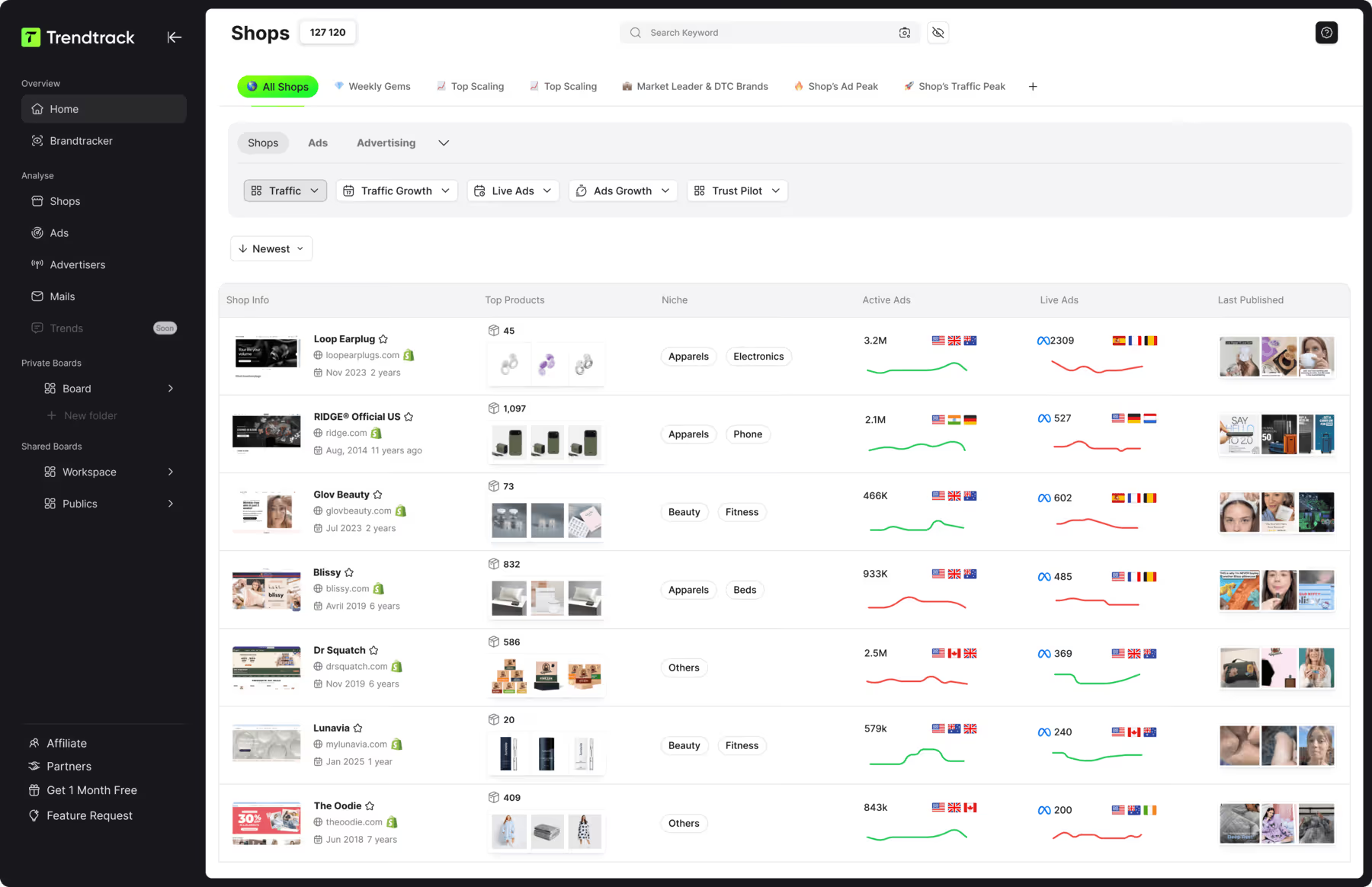
Use Trendtrack to Identify Trending Products and Terms
The sixth step is to align your search engine with real-time market trends. Popular search terms evolve with consumption trends and seasons. Trendtrack with its 95 million indexed TikToks and 700,000 brand profiles updated every 24 hours allows you to identify the products and creative angles generating traction in your niche right now. Integrating these trending terms into your product data and search synonyms ensures your internal engine responds to your visitors' current queries.
Start for free at app.trendtrack.io/en/sign-up.
Why Is the Internal Search Engine Crucial for Your E-commerce Store?
The internal search engine is the most underutilized conversion lever in e-commerce. Visitors who use the search bar have a clear and immediate purchase intent. They know what they want and are looking to find it quickly. This strong intent translates directly into numbers with a conversion rate two to three times higher than visitors who browse via categories.
The second issue is visitor retention. An internal search engine returning irrelevant results or a blank page generates immediate abandonment. These lost visitors generally do not return and their acquisition had a real advertising cost that your store absorbs without return on investment.
The third issue is basket value. Buyers who use internal search browse more products on average and generate higher baskets than passive browsers. A search engine that suggests relevant products, complementary items, and well-filtered results naturally creates cross-selling and upselling opportunities.
The fourth issue is commercial intelligence. Internal search data is a goldmine of information about your customers' real intentions and needs. It reveals the most in-demand products, your catalog gaps, and content creation opportunities you would not have identified otherwise.
What Are the Best Internal Search Tools for an E-commerce Store?
The choice of internal search tool is one of the most impactful technical decisions on the shopping experience and conversion rate of your store. Here are the best solutions available in 2026.
Searchie: native synonym management, spell tolerance, and real-time dynamic filters. Particularly effective for Shopify and WooCommerce stores with medium to large catalogs. Configurable interface without a developer.
Boost Commerce: advanced search and filtering solution popular on Shopify. Autocomplete, real-time suggestions, synonym management, and category-adaptive dynamic filters.
Doofinder: compatible with Shopify, WooCommerce, and PrestaShop. AI engine that personalizes results based on buyer behavior. Visual search feature particularly suited to fashion and home decor stores.
Algolia: reference for stores with very high catalog volumes. Near-instant search speed and advanced personalization for development teams.
Trendtrack: identifies trending products and terms on Meta and TikTok in real time via its 95 million indexed TikToks. To be integrated directly into your product data to align your search engine with market trends.
Useful Resources

.avif)
Ready to build a million-dollar brand?
.avif)