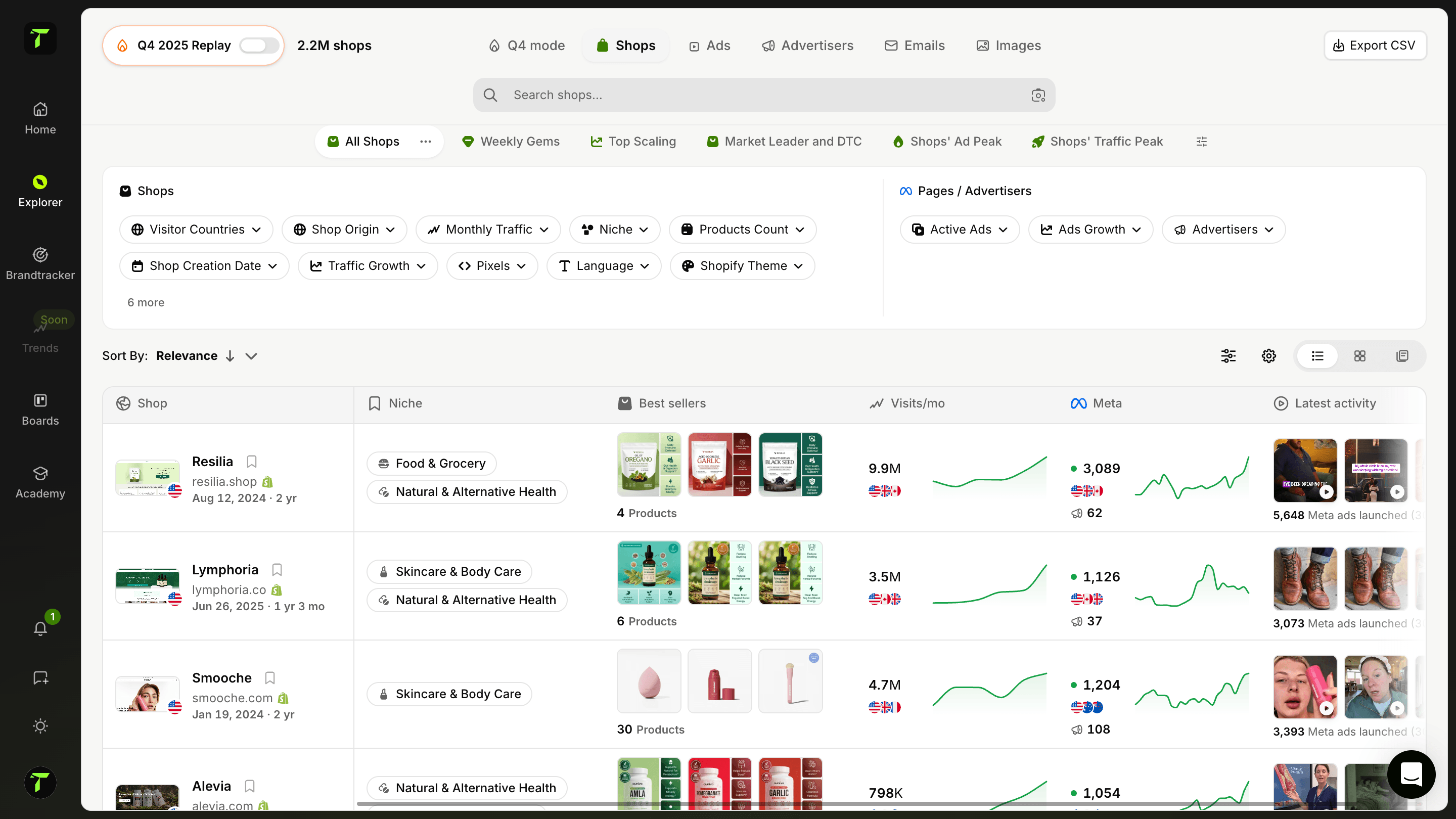
Search Engine Advertising (SEA)
Search Engine Advertising (SEA) is a form of paid digital advertising where brands bid to have their ads displayed in search engine results pages (SERPs) when users search for specific keywords. Unlike SEO, which earns visibility organically over time, SEA buys it immediately, at the top of the page, for every query that matches your targeting.
Updated on April 21, 2026
Google Ads dominates the SEA landscape globally, with Microsoft Ads (Bing) holding a smaller but relevant share particularly in certain demographics and markets where Bing usage is disproportionately high.
How Does SEA Work?
SEA operates on an auction-based model. Every time a user performs a search, an automated auction determines which ads appear, in which order, and at what cost. The outcome is not determined by budget alone it is shaped by a combination of factors:
Bid the maximum amount you are willing to pay per click on your ad.
Quality Score Google's assessment of your ad's relevance and expected performance, based on expected CTR, ad relevance to the keyword, and landing page experience. A high Quality Score can allow a lower bid to outrank a higher bid.
Ad Rank the final position of your ad, calculated from your bid multiplied by your Quality Score, adjusted for auction-time signals like device, location, and search context.
The actual cost you pay per click is determined by the bid of the advertiser ranked just below you — not your maximum bid. This is why SEA is often described as a second-price auction.
SEA vs. SEO: What's the Difference?
Both aim to capture visibility in search engines, but they operate on fundamentally different principles:
| SEA | SEO | |
|---|---|---|
| Visibility | Immediate | Long-term |
| Cost | Per click (CPC) | Time and resource investment |
| Sustainability | Stops when budget stops | Compounds over time |
| Control | High — targeting, scheduling, budget | Limited — algorithm-dependent |
| Best for | Fast results, product launches, promotions | Authority building, long-term traffic |
The most effective digital strategies combine both SEA captures demand immediately while SEO builds sustainable organic presence over time.
Types of SEA Campaigns
Search campaigns are the core of SEA text ads displayed at the top or bottom of Google search results, triggered by keyword matches. These target users with active, explicit purchase or information intent.
Shopping campaigns (Google Shopping / Performance Max) display product images, prices, and store names directly in the search results particularly powerful for e-commerce, as they intercept purchase intent at the exact moment of search.
Display campaigns extend reach beyond search results, placing visual banner ads across Google's network of partner websites and apps. Less intent-driven than search, but effective for retargeting and brand awareness.
Video campaigns (YouTube) serve ads before, during, or after YouTube videos — combining the reach of search intent with the storytelling power of video format.
Demand Gen campaigns are Google's newer format designed to drive discovery across YouTube, Gmail, and Google Discover feeds, targeting users earlier in their purchase journey.
Key SEA Metrics
Understanding which metrics matter and what they actually measure is fundamental to running profitable SEA campaigns:
Impressions: how many times your ad was shown. A volume indicator, not a performance one.
CTR (Click-Through Rate): the percentage of impressions that resulted in a click. A low CTR signals weak ad relevance or poor keyword-to-ad alignment.
CPC (Cost Per Click): what you pay each time someone clicks your ad. Influenced by competition, Quality Score, and bid strategy.
Conversion Rate: the percentage of clicks that result in a desired action (purchase, sign-up, form fill). The bridge between ad performance and business results.
CPA (Cost Per Acquisition): the total cost to generate one conversion. The primary profitability metric for performance campaigns.
ROAS (Return on Ad Spend): revenue generated per dollar spent on ads. The most widely used efficiency benchmark in e-commerce SEA.
Impression Share: the percentage of eligible auctions where your ad actually appeared. A low impression share signals budget constraints or Quality Score issues.
SEA Best Practices in E-Commerce
Structure your campaigns around intent levels. Brand keywords (your own brand name) convert at the highest rate and lowest CPA always protect them. Category keywords (product type) capture broad intent. Competitor keywords require careful ROI analysis before scaling.
Invest in negative keywords. Excluding irrelevant search terms prevents wasted spend on clicks that will never convert. A robust negative keyword list is as important as your targeting strategy.
Match landing pages to ad intent. Sending a user who searched for "women's running shoes size 8" to your homepage is a conversion killer. Every ad should lead to the most relevant, specific page possible.
Leverage auction insights. Google's Auction Insights report shows how your impression share, overlap rate, and position above rate compare to competitors invaluable data for competitive strategy adjustments.
Test ad copy continuously. Responsive Search Ads allow multiple headlines and descriptions to be tested simultaneously. Let performance data determine which combinations resonate and retire the underperformers.
Align bidding strategy to campaign objective. Target CPA works best when conversion data is sufficient. Target ROAS requires even more historical data. Maximize Clicks is useful for early-stage campaigns still building conversion history.
Common SEA Mistakes
Broad match without guardrails: serving ads on loosely related, irrelevant queries and burning budget on low-intent traffic
Ignoring Quality Score: focusing only on bids while neglecting ad relevance and landing page experience
No conversion tracking: running campaigns without measuring what actually drives results
Set and forget mentality: SEA requires continuous optimization; campaigns left unmanaged deteriorate over time
Overlooking mobile experience: a significant share of search traffic comes from mobile; a poor mobile landing page kills conversion regardless of ad quality
💡 Pro tip: ROAS is a useful efficiency metric, but it can be misleading if margins vary across your product catalog. A campaign generating a 5x ROAS on a 15% margin product may be less profitable than one generating a 3x ROAS on a 60% margin product. Always tie SEA performance back to contribution margin, not just revenue.

.avif)
Ready to build a million-dollar brand?
.avif)