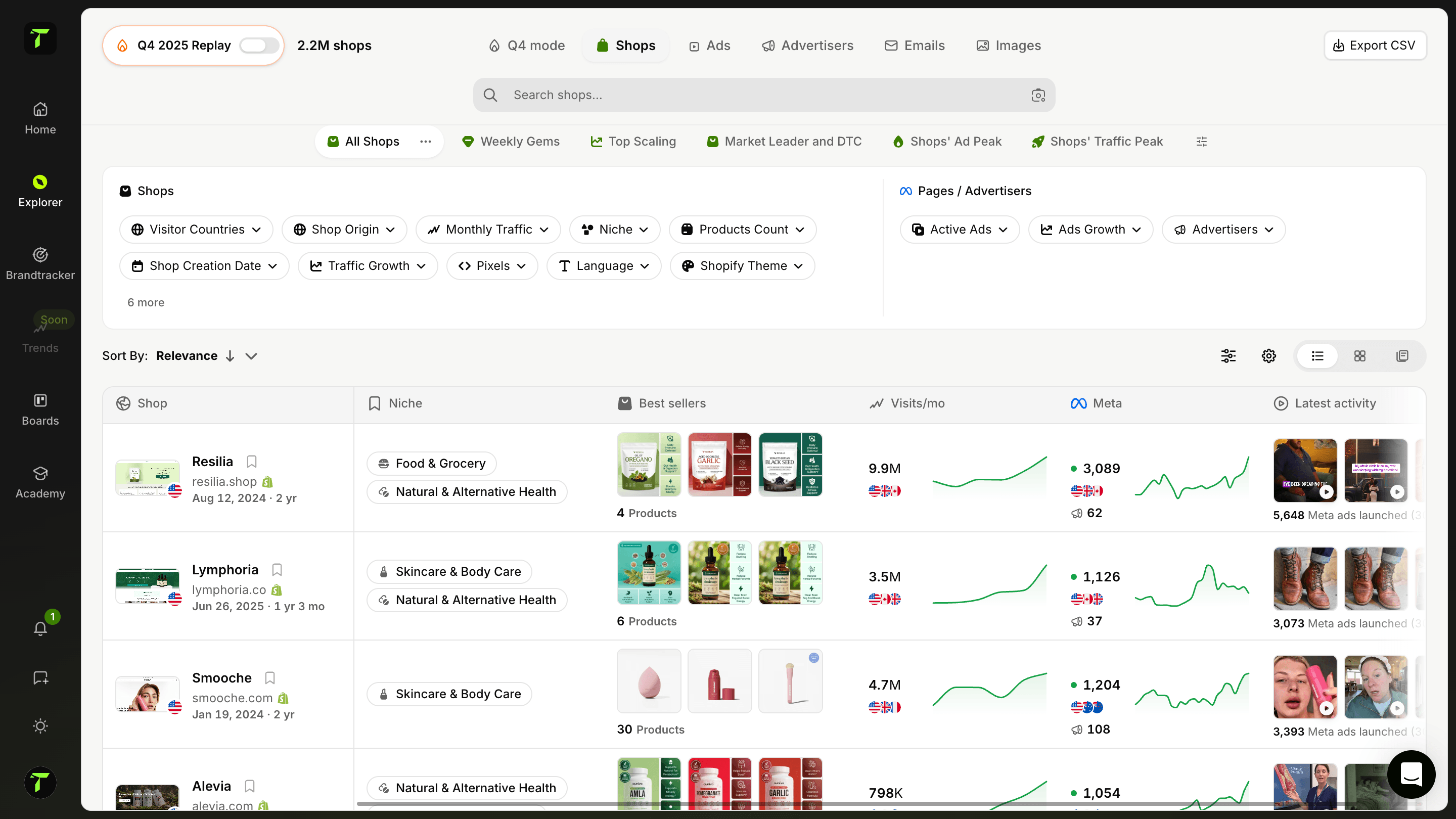
Marketplace
A marketplace is an online platform that connects third-party sellers and buyers within a single commercial environment. The platform does not necessarily sell its own products it facilitates transactions between independent sellers and consumers, in exchange for a commission or fixed fees.
Updated on April 19, 2026
Amazon, eBay, Etsy, Walmart, or Zalando are among the most well-known examples. Each has its own rules, its own audience, and its own selling conditions but all are built on the same fundamental model: aggregating supply to simplify demand.
How Does a Marketplace Work?
The model is straightforward in its structure:
The seller creates an account, lists their products, and manages their catalog on the platform
The buyer browses, compares, and purchases directly on the marketplace
The platform facilitates the transaction, manages payment, and takes its commission
The seller ships the order and handles customer service according to the platform's rules
The marketplace handles the technical infrastructure, the traffic, and often the buyer's trust in exchange for a share of the revenue generated.
Types of Marketplaces
General marketplaces: they cover a broad spectrum of product categories and target a massive audience. Amazon and eBay are the most iconic examples globally.
Vertical marketplaces: specialized in a specific niche or industry. Etsy for handmade and craft goods, Zalando for fashion, Houzz for home and interior design. Verticalization attracts a more qualified and often more engaged audience.
B2B marketplaces: dedicated to transactions between businesses. Alibaba is the global benchmark, facilitating exchanges between manufacturers and wholesale buyers at an international scale.
Second-hand marketplaces: Poshmark, ThredUp, Depop, eBay. The growth of the circular economy has turned this segment into one of the most dynamic in global e-commerce, particularly among younger consumer demographics.
The Advantages of Selling on a Marketplace
For a merchant, joining a marketplace offers several immediate advantages:
Access to a massive built-in audience without having to build your own traffic from scratch
Ready-to-use infrastructure payment processing, logistics (in some cases), and customer interface already in place
Instant credibility selling on Amazon or Etsy reassures buyers who do not yet know your brand
Fast time-to-market listing products and starting to sell can happen within days
The Limitations of Marketplaces
Direct competition and price wars. On a general marketplace, your product is displayed alongside dozens of competitors selling similar items. The temptation to lower prices to gain visibility is constant — and destructive to margins.
Platform dependency. Rules change, algorithms evolve, fees increase. A merchant generating 80% of their revenue through a single marketplace is extremely vulnerable to these shifts. A policy change or account suspension can threaten the entire business overnight.
Limited control over the customer experience. The customer relationship belongs to the platform, not the seller. Building a strong brand identity or generating customer loyalty is difficult when the interface, communication, and policies are dictated by a third party.
Fees and commissions. Commissions typically range from 8% to 20% depending on the category and platform not counting internal advertising costs (Sponsored Products on Amazon, promoted listings on Etsy) needed to maintain visibility in competitive categories.
Copycat risk. On some marketplaces, particularly Amazon, competing sellers or the platform itself can analyze your best-selling products and launch similar items at a lower price point, directly undermining your competitive advantage.
Marketplace vs. Own Store
| Marketplace | Own Store | |
|---|---|---|
| Traffic | Provided by the platform | Must be built independently |
| Brand control | Limited | Full |
| Entry cost | Low | Higher |
| Margins | Compressed by commissions | Higher |
| Customer relationship | Belongs to the platform | Belongs to the merchant |
| Dependency | High | None |
The Multichannel Strategy
Most high-performing merchants do not choose between marketplace and own store they combine both. The marketplace serves as an acquisition and volume channel, while the owned store builds the brand, customer loyalty, and margin. This multichannel approach allows merchants to leverage the strengths of both models without being limited by either.
💡 Pro tip: Never build your business exclusively on a marketplace. Channel diversification is not optional it is a strategic necessity. A platform that changes its terms or suspends your account can put your entire operation at risk overnight. Own your customer relationships wherever possible.

.avif)
Ready to build a million-dollar brand?
.avif)