Dropshipping
Dropshipping is an e-commerce business model in which the merchant sells products without ever holding physical inventory. When a customer places an order, it is forwarded directly to the supplier who handles packaging and shipping to the end customer. In other words: you manage the store, the marketing, and the customer relationship. The supplier handles the stock and the logistics.
Updated on April 16, 2026
How Does Dropshipping Work?
The model follows a straightforward sequence:
The customer places an order on your online store
You automatically forward the order to your supplier
The supplier prepares and ships the package directly to the end customer
You pocket the difference between the retail price and the supplier cost
You only purchase the product after collecting payment from the customer. No inventory, no upfront capital tied up in stock.
The Advantages of Dropshipping
Dropshipping is particularly appealing to first-time e-commerce entrepreneurs for several reasons:
Low barrier to entry: no need to invest in upfront inventory
No logistics management: no warehouse, no order fulfillment, no shipping
Flexible catalog: ability to test new products with zero financial risk
Scalability: order volume can grow without physical constraints
Location independence: the business can be managed from anywhere
The Limitations of Dropshipping
The model has real advantages, but also significant constraints worth understanding before diving in:
Thin margins. In dropshipping, you are not negotiating significant wholesale pricing. Competition is often fierce on the same products, which compresses margins and makes price wars hard to avoid.
Supplier dependency. Product quality, shipping times, and inventory management are entirely in the hands of a third party. A failing supplier directly impacts your customer reputation and there is little you can do about it in real time.
Long shipping times. Particularly with suppliers based in Asia, delivery times can stretch to several weeks a significant friction point in a market where Amazon has conditioned consumers to expect next-day delivery.
Difficult differentiation. If you are selling the same products as dozens of competitors through the same supplier, building a strong brand and generating customer loyalty becomes a real challenge.
Complex customer service. Managing returns, disputes, and refunds without controlling the supply chain can quickly become time-consuming and damaging to your brand reputation.
Dropshipping vs. Traditional E-Commerce
| Dropshipping | Traditional E-Commerce | |
|---|---|---|
| Inventory | None | Managed internally or in a warehouse |
| Upfront investment | Low | High |
| Margins | Low to moderate | Higher |
| Logistics control | Limited | Full |
| Scalability | Fast | More constrained |
| Differentiation | Difficult | More accessible |
Key Platforms and Tools
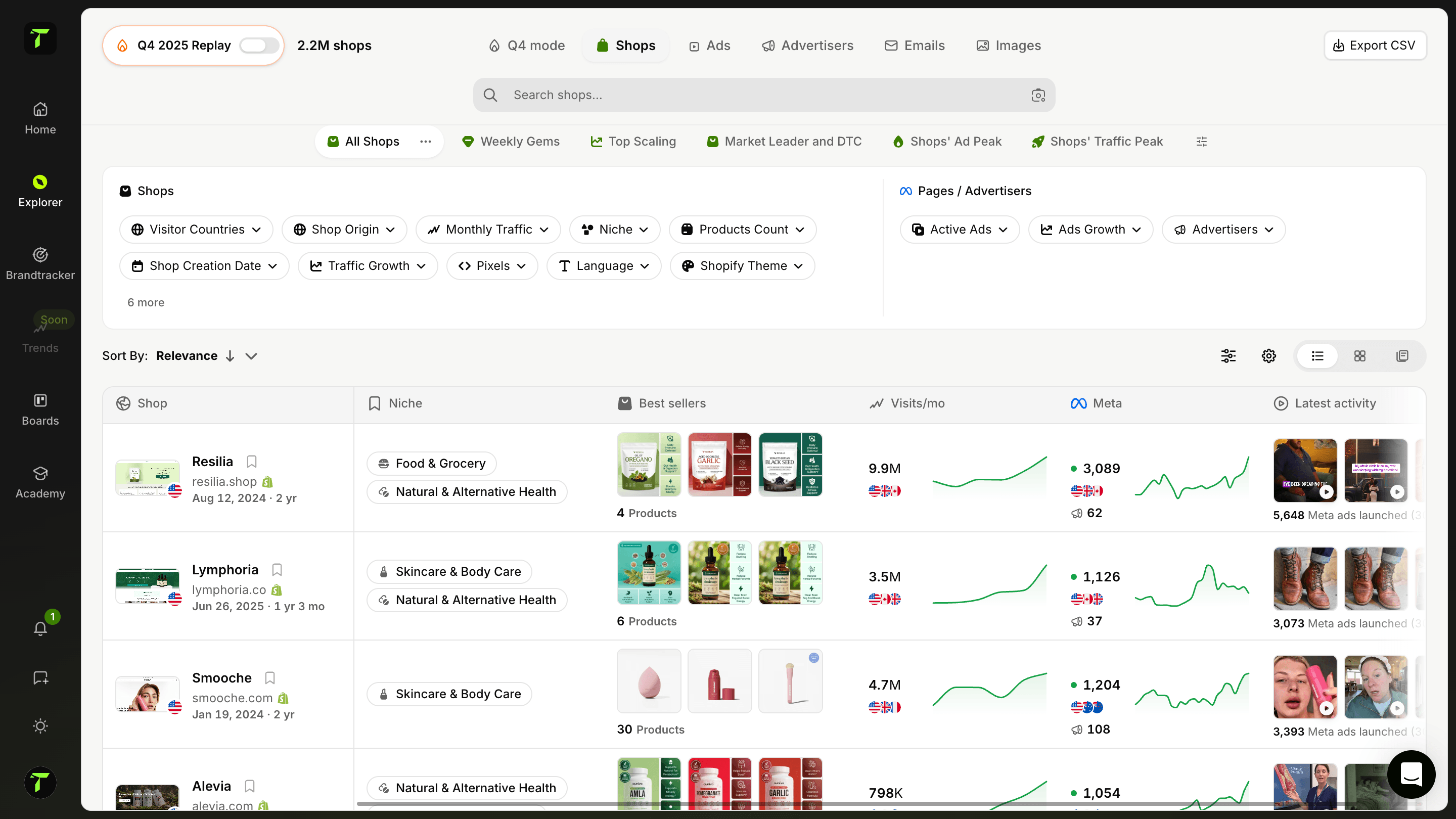
Shopify: the most widely used e-commerce platform for dropshipping
DSers / AliExpress: product sourcing and supplier order automation
Zendrop, Spocket: suppliers with faster shipping times, particularly from the US or Europe
AutoDS: full dropshipping process automation
Oberlo: historically popular product import tool (now integrated into Shopify)
💡 Pro tip: Dropshipping is not a passive income strategy. The stores that succeed long-term are those that invest in branding, customer experience, and rigorous supplier vetting not just ad spend. The product is a commodity. The brand is the differentiator.

.avif)
Ready to build a million-dollar brand?
.avif)