Customer Lifetime Value (CLV / LTV)
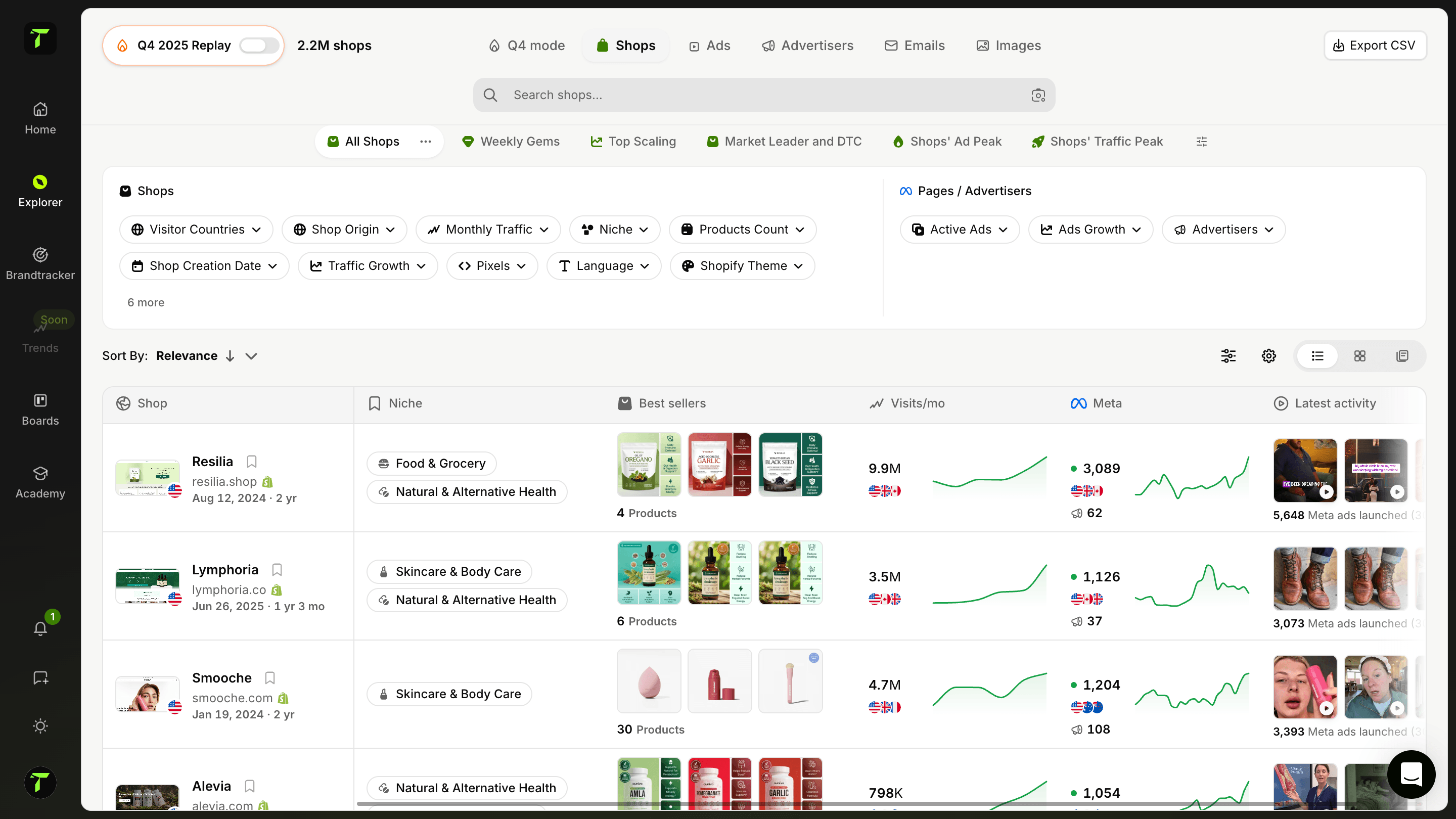
Customer Lifetime Value (CLV or LTV) is the total revenue a business can expect to generate from a single customer throughout the entire duration of their relationship. It goes beyond the first purchase it captures the full long-term value a customer brings to your business. CLV is one of the most strategic metrics in e-commerce. It shifts the focus from short-term transactions to long-term relationships, helping brands make smarter decisions about acquisition, retention, and marketing spend.
Updated on April 16, 2026
How to Calculate CLV?
There are several ways to calculate CLV, from simple to more advanced models. The most common formula:
CLV = Average Order Value × Purchase Frequency × Customer Lifespan
Example: AOV of $60 × 4 orders per year × 3 years → CLV = $720
A more refined version factors in your gross margin:
CLV = (AOV × Purchase Frequency × Customer Lifespan) × Gross Margin %
This gives you a clearer picture of actual profitability per customer, not just raw revenue.
Why Does CLV Matter?
CLV reframes how you think about your customers and your costs.
When you know what a customer is worth over time, you can determine how much you're willing to spend to acquire them. This is where CLV and Customer Acquisition Cost (CAC) work hand in hand. A healthy business typically targets a CLV:CAC ratio of 3:1 or higher meaning every dollar spent acquiring a customer should return at least three dollars in lifetime value.
Beyond acquisition, CLV is a powerful retention signal. A low CLV often points to weak post-purchase engagement, poor product-market fit, or a lack of loyalty incentives. A rising CLV, on the other hand, is a sign that your customer experience, repeat purchase strategy, and brand loyalty are working.
How to Increase CLV?
Improving CLV comes down to getting customers to buy more, more often, for longer:
Loyalty programs: reward repeat purchases and encourage long-term engagement
Personalized email marketing: send relevant offers based on purchase history
Subscription models: lock in recurring revenue and reduce churn
Post-purchase experience: packaging, follow-up emails, and customer support all impact whether someone comes back
Product ecosystem: a broader catalog gives existing customers more reasons to return
Win-back campaigns: re-engage dormant customers before they're gone for good
Each of these levers compounds over time. Even a modest improvement in retention can have a dramatic effect on CLV.
CLV by Acquisition Channel
Not all customers are created equal and neither are the channels that bring them in. Customers acquired through organic search or referral tend to have a higher CLV than those acquired through paid ads, as they often arrive with stronger purchase intent and brand affinity.
Segmenting CLV by acquisition channel helps you allocate your marketing budget more effectively doubling down on what brings in your most valuable customers, not just your cheapest ones.
CLV vs. LTV — Is There a Difference?
The terms are used interchangeably in most contexts. LTV (Lifetime Value) is simply the shorthand version of CLV (Customer Lifetime Value). Some platforms and analysts use one over the other, but they refer to the same core concept.
💡 Pro tip: CLV is most powerful when segmented. Don't just calculate one global number break it down by customer cohort, acquisition channel, or product category. Your top 20% of customers likely drive 60–80% of your total lifetime revenue. Knowing who they are changes everything.

.avif)
Ready to build a million-dollar brand?
.avif)