Benchmark
A benchmark is a reference point a standard used to measure, compare, and evaluate performance. In e-commerce and digital marketing, benchmarking means comparing your key metrics against industry averages, competitor data, or your own historical performance to determine where you stand and where you need to improve.
Updated on April 20, 2026
Without a benchmark, a number means nothing. A 2% conversion rate is excellent in luxury goods. It is underwhelming in fast-moving consumer products. Context is everything.
Why Benchmarking Matters?
Every metric in your business exists on a spectrum. Knowing your conversion rate, AOV, or CAC in isolation tells you what is happening. Knowing how those numbers compare to relevant references tells you whether it is good, bad, or average — and how much room for improvement actually exists.
Benchmarking drives three things: clarity on where you truly stand, prioritization of where to focus optimization efforts, and accountability by setting measurable targets grounded in real-world data rather than arbitrary goals.
Types of Benchmarks in E-Commerce
Industry benchmarks compare your performance against the average across your sector fashion, beauty, electronics, home goods. These are the most widely referenced but also the least precise, as they aggregate a wide range of business sizes, price points, and traffic sources.
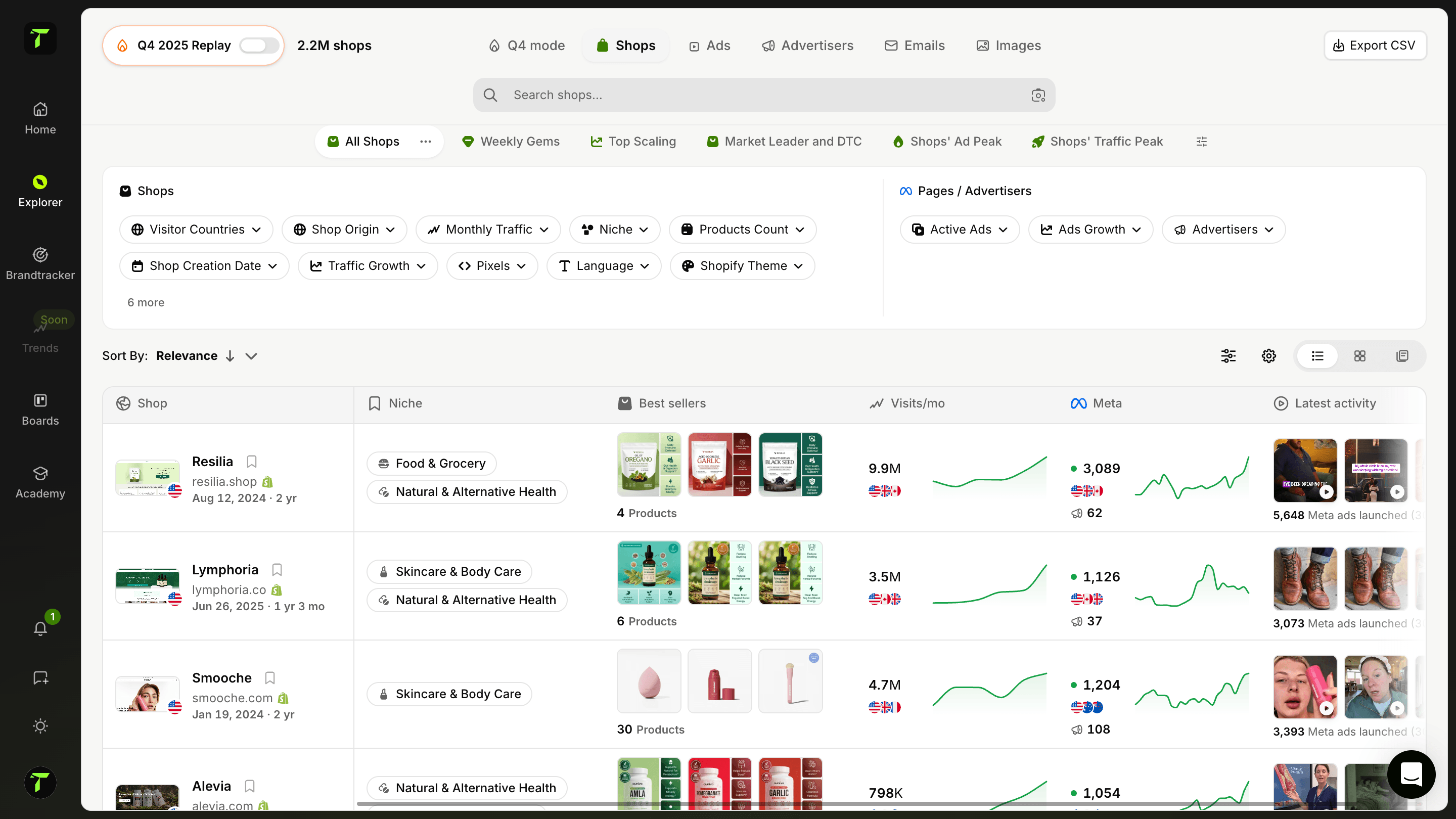
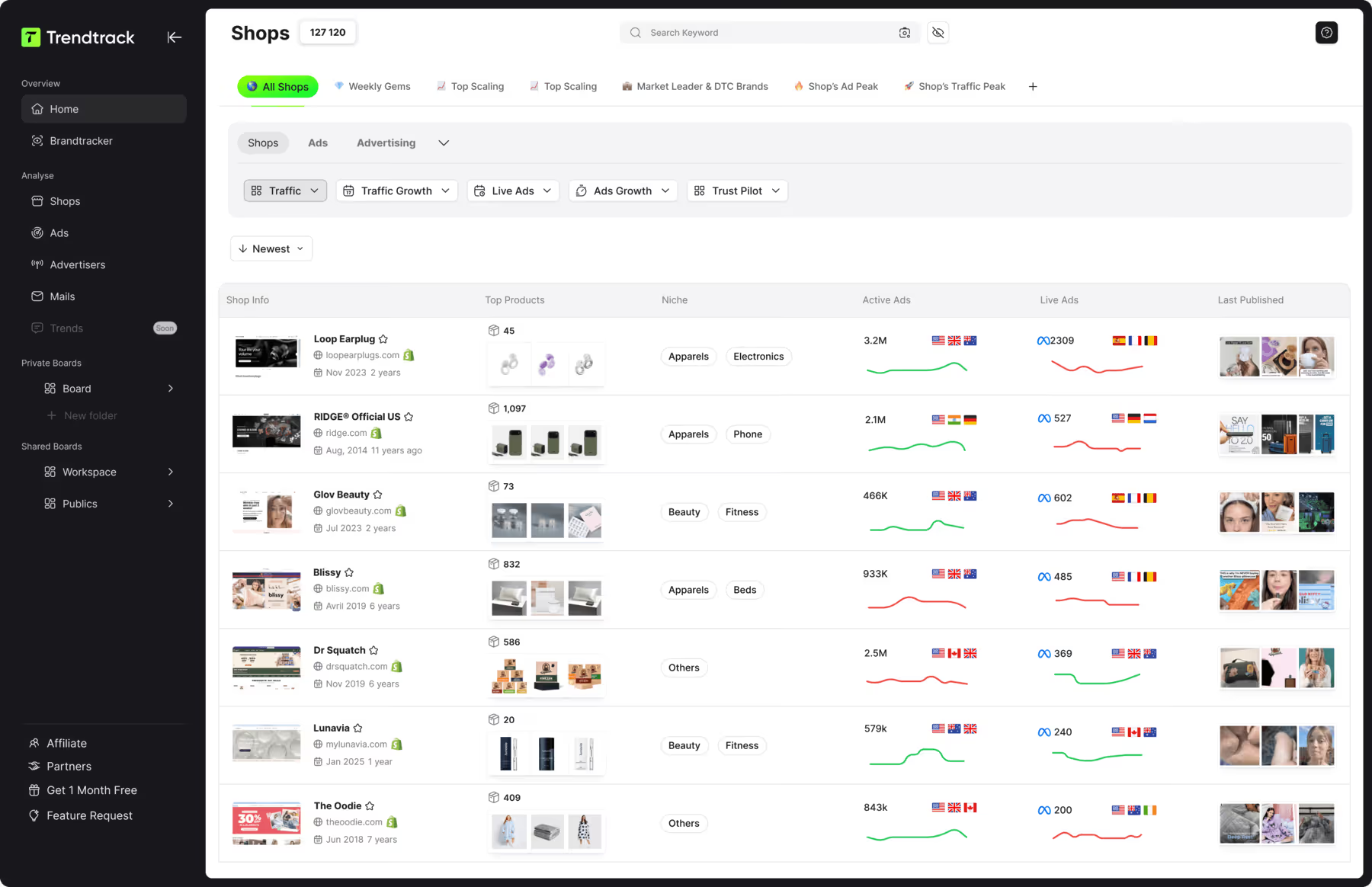
Competitor benchmarks go deeper, measuring your metrics against specific players in your market. Tools like SimilarWeb, SEMrush, or Meta Ad Library give partial visibility into competitor traffic, ad strategies, and organic positioning.
Internal benchmarks are often the most actionable. Comparing your current performance to your own historical data last month, last quarter, same period last year reveals trends, seasonality patterns, and the real impact of changes you have made.
Channel benchmarks isolate performance by acquisition source. Your email conversion rate should not be compared to your paid social conversion rate they operate under completely different intent conditions. Benchmarking within channels gives a far more accurate picture.
Key E-Commerce Metrics to Benchmark
Rather than listing every possible metric, here are the ones that matter most and what to compare them against:
Conversion Rate (CVR) Industry average sits between 1% and 3% for most e-commerce categories. Top performers exceed 3.5%. Mobile CVR typically runs 1 to 1.5 points below desktop. Always segment by device and traffic source before drawing conclusions.
Cart Abandonment Rate The global average hovers around 70%. A rate above 75% warrants a checkout audit. Below 60% is strong performance worth protecting.
Average Order Value (AOV) Highly category-dependent. Benchmark AOV against your own historical trend first, then against sector averages. More useful than a single number is the AOV trajectory is it rising, flat, or declining over time?
Customer Acquisition Cost (CAC) No universal benchmark applies here CAC depends entirely on your margins, CLV, and channel mix. The ratio that matters most is CLV:CAC, with 3:1 being the widely cited healthy minimum.
Email Open Rate Industry averages range from 20% to 35% depending on the sector. Below 20% signals deliverability or relevance issues. Above 35% is strong, particularly for promotional sends.
Return Rate Fashion and apparel averages run between 25% and 40%. Electronics and home goods sit lower. A rising return rate is a product-market fit signal as much as a logistics issue.
How to Use Benchmarks Effectively?
Benchmarks are directional, not prescriptive. A few principles worth internalizing:
Compare like for like. A DTC brand doing $500K annually should not benchmark against a category leader doing $50M. Business size, traffic volume, and audience maturity all shape what "normal" looks like.
Prioritize your own historical data. Your most reliable benchmark is your own past performance. Industry averages are shaped by thousands of businesses at different stages your internal trend line is far more relevant to your specific context.
Use benchmarks to ask better questions, not to declare victory or failure. A metric below benchmark is a hypothesis, not a verdict. It tells you where to look not what is wrong or how to fix it.
Update your benchmarks regularly. Consumer behavior, platform algorithms, and competitive dynamics shift constantly. A benchmark from 2022 may no longer reflect the reality of your market in 2025.

.avif)
Ready to build a million-dollar brand?
.avif)