15 Best Ad Creatives Analyzed With Real Data



You came here for the ads, not fluff. Below are proven creative examples that drove conversions on Facebook, Instagram, and TikTok.
We pulled them from multiple sources and organized them by format so you can see what's working right now. Learn the strategies from these brands to get ahead of your competitors.
What makes these ad creatives stand out
The best ads don't shout features. Instead, they solve problems, entertain, or deliver value first. These creatives consistently do one or more of these:
- They start with the audience's world. Ninja Kitchen delivers a fast, frictionless demo showing exactly what the product does in seconds. PATRICKS positions the product as expert advice rather than a hard sell.
- They respect platform behavior. Ray-Ban Meta's clean product shot with minimal copy works instantly on mute. DJI's cinematic FPV footage creates emotional pull without a single word. These ads are designed for how people actually consume content.
- They use clarity and contrast. Meta Quest uses bold numbers and emotional promises to create immediate impact. Post Office solves a business problem in one sentence with strong visual contrast.
- They pull you in with authenticity. MANSCAPED frames grooming as self-care rather than hygiene. Apple TV+ creates urgency with a shock-hook that feels like a thriller cold open, not an ad.
These ads stop people from scrolling long enough to take action.
Top 5 video ad creatives that convert
Video still dominates paid advertising in 2026, but not all video performs equally well. The five examples below use different approaches that consistently make people stop scrolling and convert. These proven strategies can help you outperform your competitors ads.
Want to see what's working for your competitors? Learn how to spy on competitor ads and identify the patterns behind high-converting creatives in your industry.
Ninja Kitchen’s dual-system product demo
Ninja Kitchen opens with instant clarity. Meet the Ninja Prestige Dual Brew System. The product fills the frame immediately. This signals a solution-led ad, not a story.
In seconds, the video stacks benefits:
- Seven brew styles
- Espresso to filter
- Finished with foam
Each line matches directly to what appears on screen. The visuals do the explaining, so it works even on mute.
The close, "All in one system," summarizes everything the viewer just saw. No fluff, no lifestyle framing. Just a fast, frictionless demo built for high-intent scrollers.
DJI’s cinematic FPV showcase
DJI lets the footage do all the work. A fast FPV flight glides through epic scenery. Driving techno music syncs to every frame, creating instant emotional pull without a spoken hook.
The ad includes almost no copy and no hard sell. Instead, it sells the feeling of freedom, speed, and immersion. Viewers experience the flight from inside the cockpit. This strategy works because the target audience already knows what drones do. They're buying the experience, not the product.
DJI treats the ad like premium content instead of promotion. This transforms visual spectacle into desire. High-intent viewers watch until the very end.
PATRICKS’ expert-led testimonial video
PATRICKS opens with a direct, credibility-heavy hook. Advice for men noticing thinning or lighter hair. The speaker explains how the product fits into a routine, immediately positioning it as practical, not promotional.
The video balances instant gratification with long-term results. It promises visible thickness from first use, then reinforces trust by explaining how DHT blockers work over weeks in the background. No jump cuts, no hype, just a calm, confident explanation.
This works because it mirrors how people actually evaluate hair-loss products. Skepticism first, proof second. The format feels like expert advice, not an ad, which lowers resistance and builds trust fast.
Shopify’s speed-first product walkthrough
Shopify opens with an immediate outcome. Launch your store in no time. The ad cuts straight to the payoff—speed and simplicity matter most. It wastes zero seconds on context.
Each line maps to a visible action:
- Choosing a theme
- Customizing the layout
- Starting to sell in just a few clicks
The repeated emphasis on "no coding required" removes the biggest psychological barrier for first-time founders.
The close reinforces momentum rather than pressure. A short free-trial CTA paired with calm, practical visuals makes starting feel easy and low-risk. This is exactly why this format converts for beginners.
Apple TV+’s shock-hook teaser
Apple TV+ opens with pure disruption. This train has been hijacked. No context, no setup, just an immediate threat that forces attention in the first second.
The close-up visual and tense delivery carry the rest. In under three seconds, the ad creates urgency, stakes, and curiosity. Then it cuts before resolution. This gap is the hook.
It works because it treats the ad like a thriller cold open, not a trailer. The ad pulls viewers into the story fast. This makes the click feel necessary.
Short-form video ads dominating TikTok and Instagram Reels
Short vertical clips have changed the rules. The most successful ads:
- Grab attention within the first fraction of a second
- Maintain a rapid pace
- Use authentic-looking shots, trending sounds, and phone-camera aesthetics that feel like organic content, not ads
On TikTok and Reels, authenticity beats polish. The hook matters most: if you don’t create an immediate visual or informational gap, people keep scrolling.
Use these formats thoughtfully, apply what works best, and validate your ideas with real data. Launch with confidence and measurable results.
5 Static ad creatives that outperform video
Static images load instantly and require no sound. They convey a complete message in a single glance. On fast-scrolling platforms like Facebook and Instagram, a strong static creative can stop users just as effectively as a video.
Static creatives deliver excellent results at a much lower production cost than video.
MANSCAPED’s lifestyle-led emotional hook
MANSCAPED leads with emotion, not the product. The headline "Give your boys the love they deserve" reframes grooming as care and confidence, not hygiene.
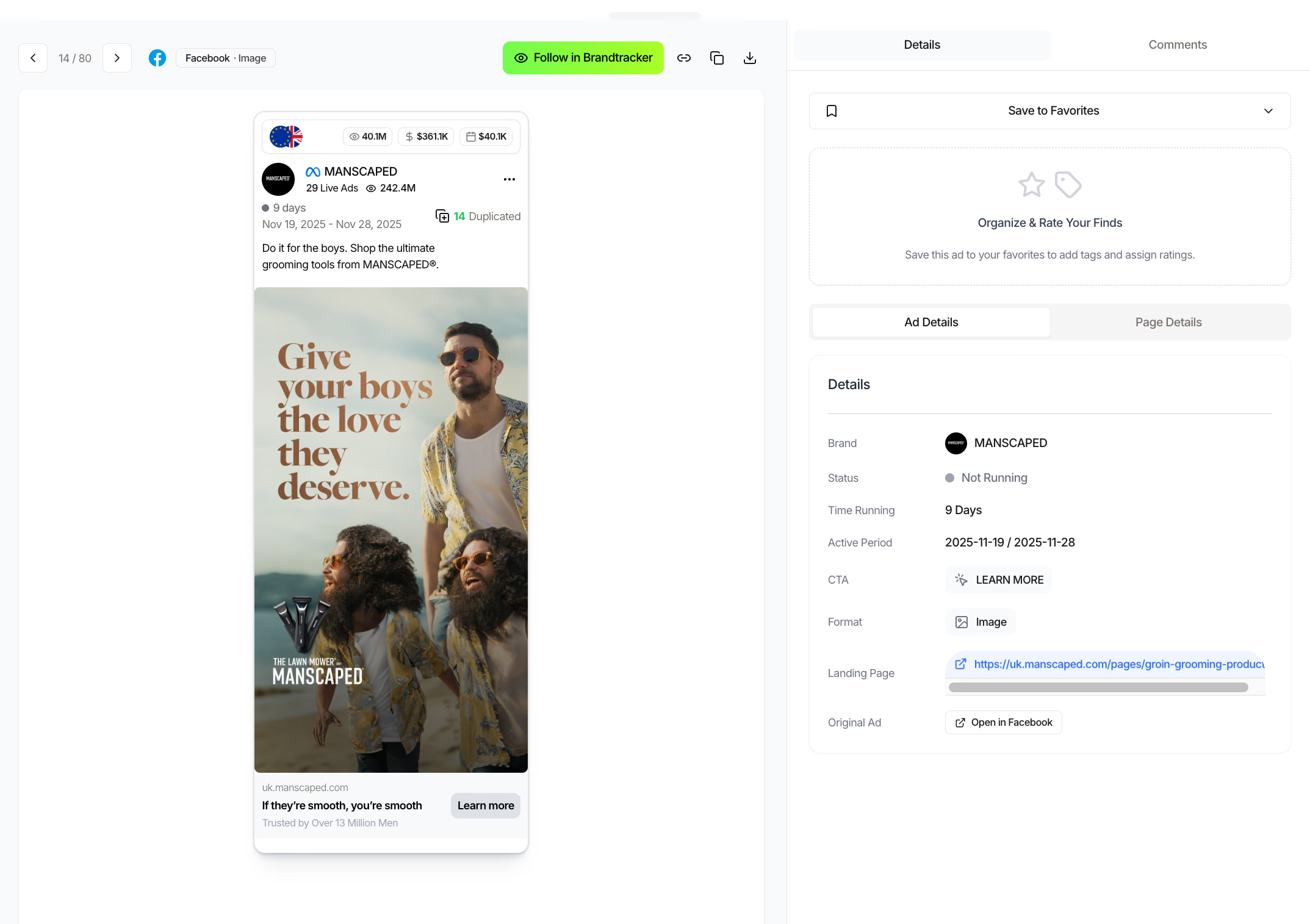
The product sits quietly in the corner while the image does the work. This ad stops the scroll because it feels like a lifestyle poster first and a product ad second. This makes the brand feel aspirational, not transactional.
Ray-Ban Meta’s clarity-first product message
Ray-Ban Meta strips the message down to one benefit. Video call hands-free. The product is isolated on a clean background, eliminating distraction.
This works because the value is instantly understood in a single glance. No storytelling, no emotion—just clear utility for a tech-aware audience that wants fast answers.
Meta Quest’s bold comparison-driven visual
Meta Quest uses contrast and numbers to force attention: “30% sharper resolution. 100% scarier.” The promise is specific and emotional at the same time.
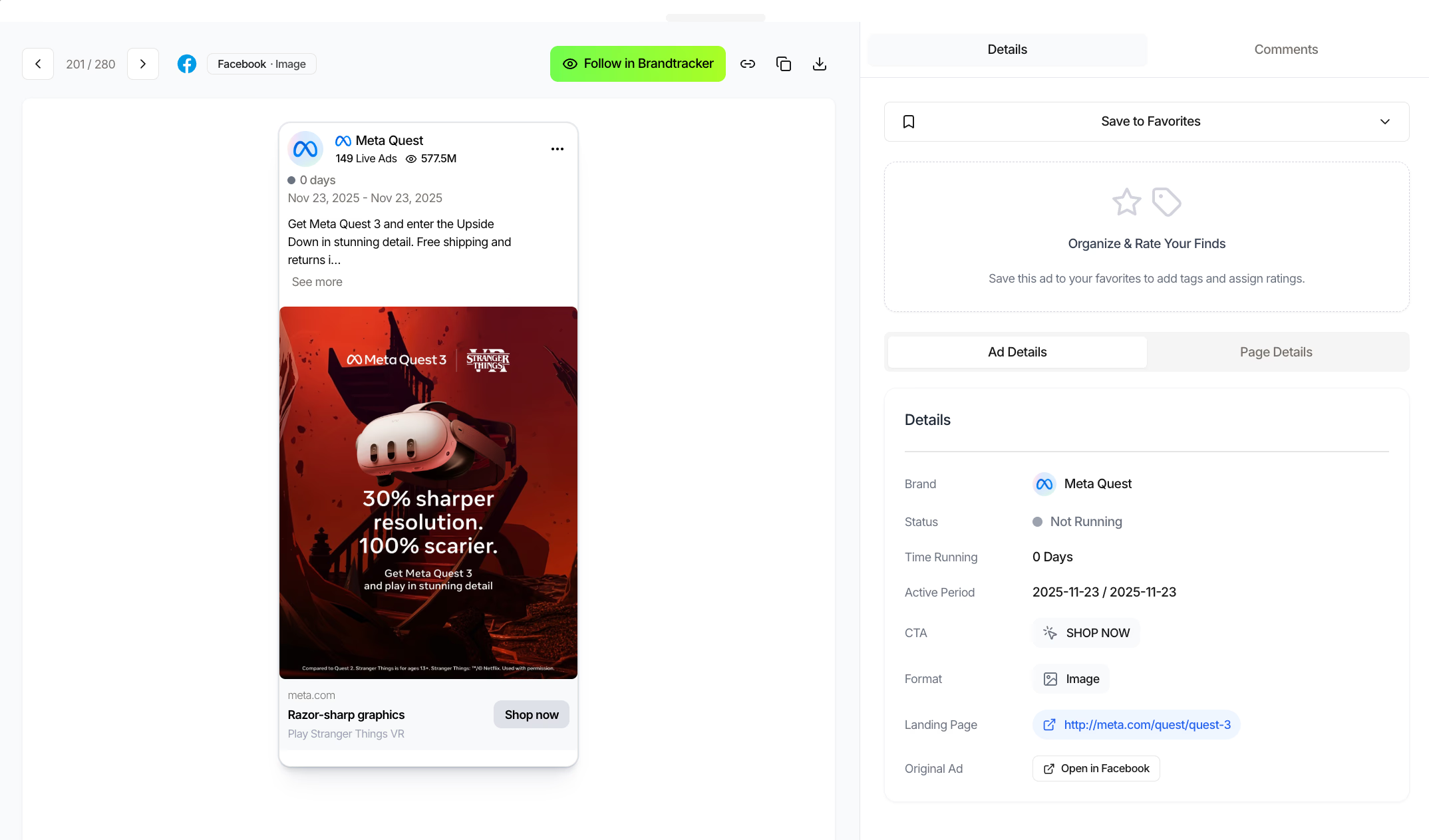
The dark, cinematic background and franchise tie-in amplify intensity. This ad converts because it quantifies improvement while tapping into fear and excitement, perfect for gaming audiences.
Sinners’ awards-led social proof wall
Sinners turns validation into the creative. Instead of plot or visuals, the ad stacks critic logos and headlines to create instant authority.
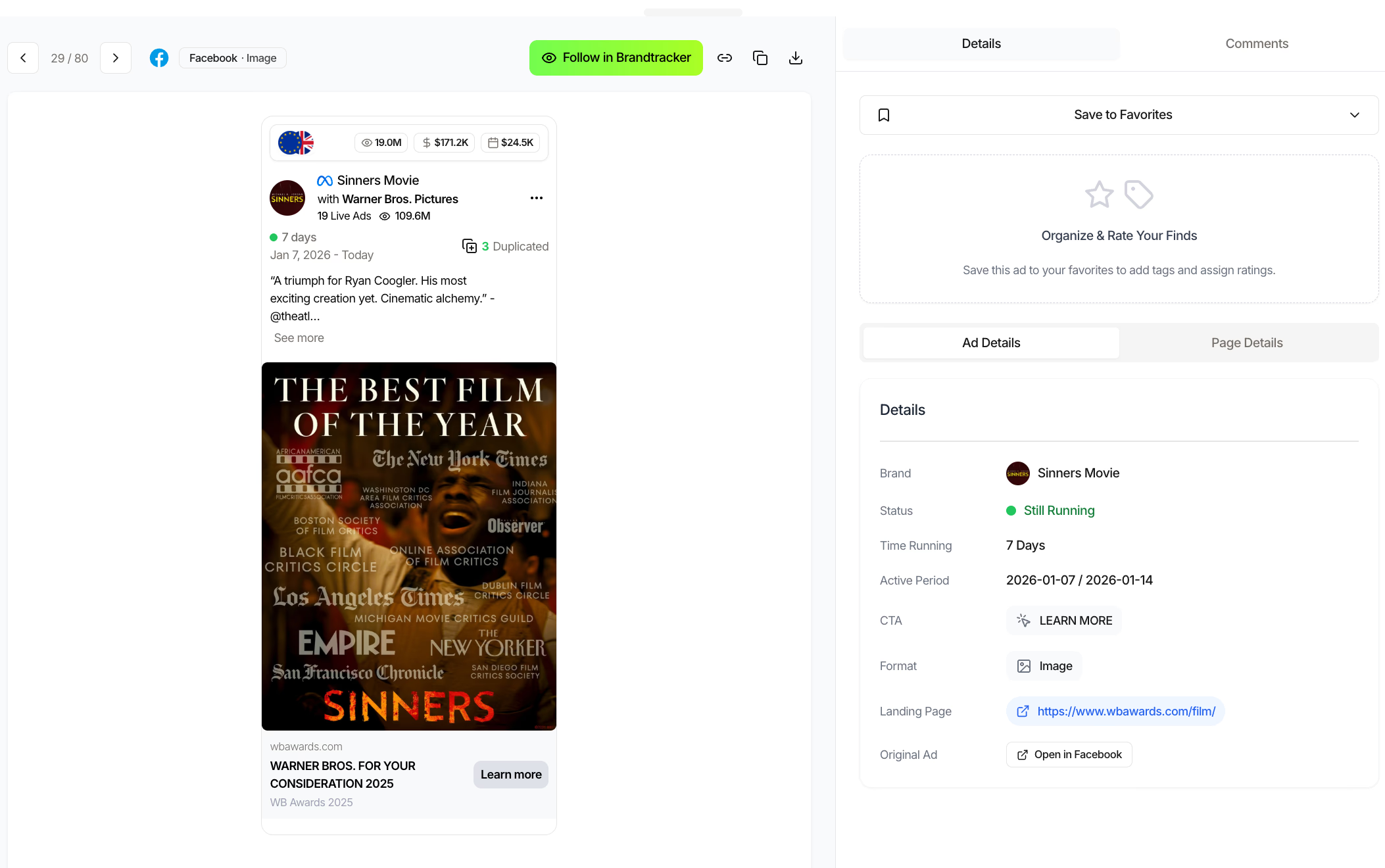
This format works because it removes risk. For undecided viewers, cultural approval becomes the reason to click. The message is simple: everyone important already agrees.
Post Office’s pain-point simplicity play
The Post Office ad does one thing well. It solves a small-business problem in one sentence. “Cash up, cash in.” No visuals beyond typography.
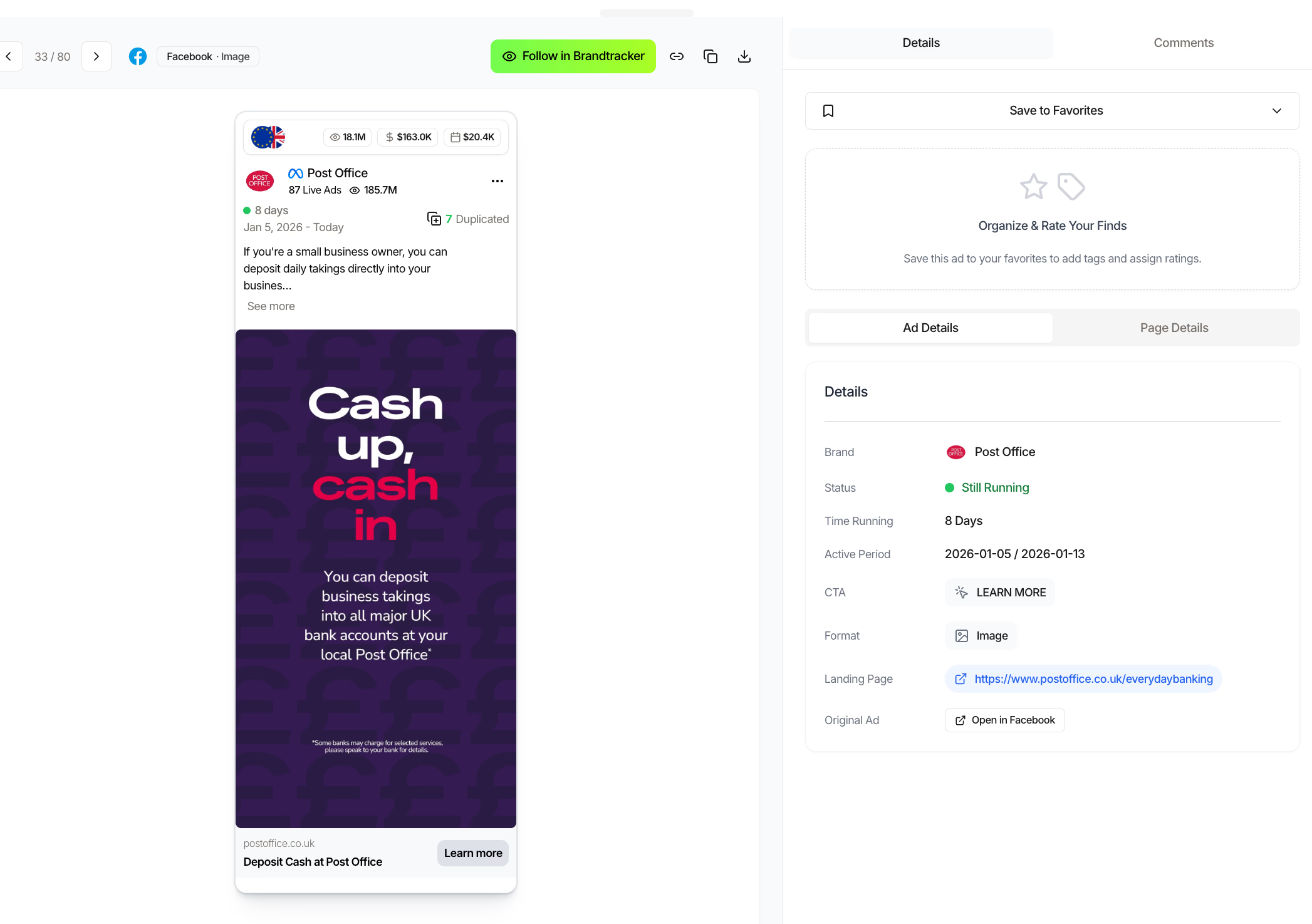
The strong color contrast and minimal copy make it impossible to miss while scrolling. This ad works because it respects time. Clear problem, clear solution, zero explanation required.
When to choose static over video ads
Choose static ads when your message is immediate and can be conveyed effectively with a single image and line of copy.
Best situations to use static ads include:
- Your message is simple and fits into one strong visual and short copy.
- You are targeting audiences ready to engage who will pause to read.
- You need to test multiple variations quickly within a tight budget.
- Technical limitations require fast-loading, sound-free assets (e.g., slow internet or quiet environments).
- You want testimonial or social-proof messages that feel authentic rather than produced.
Video ads work better for complex demonstrations or emotional stories that develop over time. The key is to match the format to the message and the stage of the sales funnel. Use data to guide your choices and launch confidently.
Unsure which format to test first? Trendtrack reveals the exact ad formats your competitors are running and which ones they're scaling. See real spend data on static versus video ads in your niche before you commit your budget.
{{cta-2}}
3 High-performing UGC and authentic ad creatives
High-performing UGC doesn’t feel planned. It feels noticed. These ads work because someone turns the camera on and starts talking the way they would to a friend, mid-thought, mid-routine.
Instead of polished setups, the videos rely on casual framing, everyday language, and visible interaction with the product. That rawness is the differentiator. It lowers skepticism and makes the recommendation feel spontaneous rather than staged.
Why UGC ads generate higher engagement rates
UGC-style ads blend into feeds because they look like content, not campaigns. They open with conversational urgency. If you haven't grabbed this yet… or a casual update. This is back in stock. This framing pulls viewers in before they register they're watching an ad.
The hoodie example works because the creator explains why it's trending. They physically handle it, showing length, zippers, pockets, and fit in real time.
The flashlight video takes a different route. It stacks practical use cases one by one, almost like thinking out loud.
In both cases, demonstration builds belief, not claims.
Real customer testimonial ad examples
Short, confident testimonials convert when they feel unscripted. In the eyeliner video, the acknowledges hesitation before showing the result on camera. That moment of doubt makes the endorsement credible.
The payoff is immediate and visual. Smudge proof, waterproof. No buildup, no explanation. The viewer sees the outcome while hearing the conclusion. This answers the core question fast. Does this actually work for someone like me?
Behind-the-scenes content that converts
Behind-the-scenes UGC succeeds when it feels like discovery, not presentation. The keychain flashlight video reveals features progressively almost as if the creator tests it alongside the viewer.
The creator skips tight edits and scripted pacing. The length actually helps. As the video continues, credibility increases because the creator stays consistent.
They repeat benefits naturally and keep finding new uses. This kind of "unscripted persistence" is hard to fake. And that's why it converts.
These examples reveal what modern UGC does best:
- It talks like a person
- It proves value in real time
- It earns trust through visibility rather than polish
Validate ideas with real data, then scale the ones that already feel believable. Use ad spy tools to analyze high-converting creatives from top competitors. Identify patterns so you can apply to your own campaigns.
What top-performing ad creatives have in common
After analyzing high-converting ads, clear patterns distinguish scroll-stoppers from scroll-pasts. The most effective ads not only look appealing but also solve problems quickly, build trust, and make the next step clear.
Core elements present in winning ads
Winning ads grab attention in the first three seconds by spotlighting a pain point, then offering a solution. Apple TV+ opens with disruption: "This train has been hijacked." Shopify leads with the outcome: "Launch your store in no time."
They build credibility through trust signals:
- Logos and critic headlines
- Real testimonials from users
- Specific, concrete details
Sinners stacks critic logos and headlines to create instant authority. PATRICKS uses expert-led testimonials to position the product as practical advice.
These ads demonstrate the product in action to reduce uncertainty. Ninja Kitchen shows seven brew styles with matching visuals. DJI delivers immersive FPV flight footage. Shopify walks through each step clearly, showing the product's value at every stage.
Design principles that capture attention
Effective ads guide viewers' eyes through visual hierarchy. They use contrasting colors and bold typography to highlight the most important element first. Post Office demonstrates this with bold color contrast. Meta Quest uses a dark cinematic background to achieve the same effect.
Top-performing ads embrace minimalism and white space. They focus messaging to avoid clutter. Ray-Ban Meta isolates the product on a clean background. MANSCAPED lets the lifestyle image lead while the product sits quietly in the corner.
Some ads create impact through scale and surprise. They incorporate subtle proportion tricks like exaggerated visuals or unusual sizes. This approach makes viewers pause and boosts engagement.
Copywriting techniques that drive clicks
Successful copy stays specific and uses active verbs. It promises clear outcomes like "Video call hands-free" (Ray-Ban Meta) or "Seven brew styles" (Ninja Kitchen). Avoid vague claims.
Top ad creatives emphasize emotional appeal over technical details. They use lines like "Give your boys the love they deserve" (MANSCAPED) or "30% sharper resolution. 100% scarier" (Meta Quest). This connects with viewers.
The best tone is conversational and bold. It creates intrigue and builds trust. Apple TV+'s shock-hook teaser and Post Office's direct "Cash up, cash in" prove this approach works.
Platform-specific optimization strategies
Video ads work without sound, relying on animation and clear visuals to tell the story. Ninja Kitchen's demo stacks benefits with matching on-screen visuals. DJI lets cinematic footage speak for itself.
Static ads highlight the pain point visually and include a summary in the creative itself. Ray-Ban Meta uses a clarity-first message. Sinners builds a social proof wall.
Carousel ads advance the message with each card rather than repeating it. This builds anticipation and encourages viewers to swipe through.
Top-performing ads respect the viewer's time and intelligence. They communicate three key elements:
- Clearly identify a problem
- Provide proof of the solution
- Make taking action easy
Brands can use these insights to launch campaigns confidently and backed by real data.
How to find winning ad creatives for your niche using Trendtrack
Get ahead of your competitors with less effort.
Looking at great ads is easy. Finding creatives that actually work in your specific niche, right now, backed by performance data, is challenging.
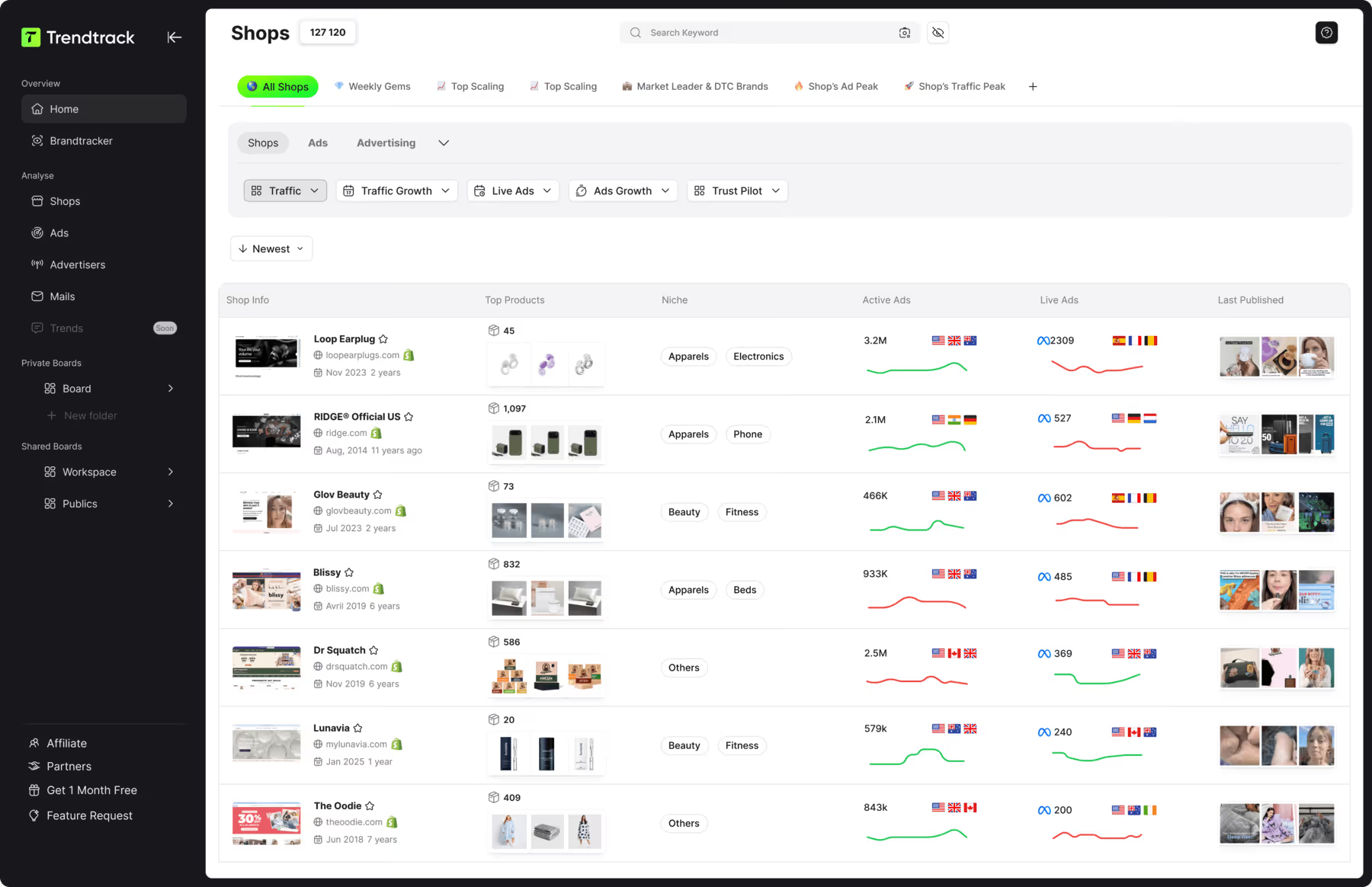
Trendtrack changes the game by showing competitor ads that spend real budgets and get results. This helps you stop gathering stale inspiration and start collecting useful intelligence.
Access competitor ad data in real-time
Start with the Ads tab, then refine your search.
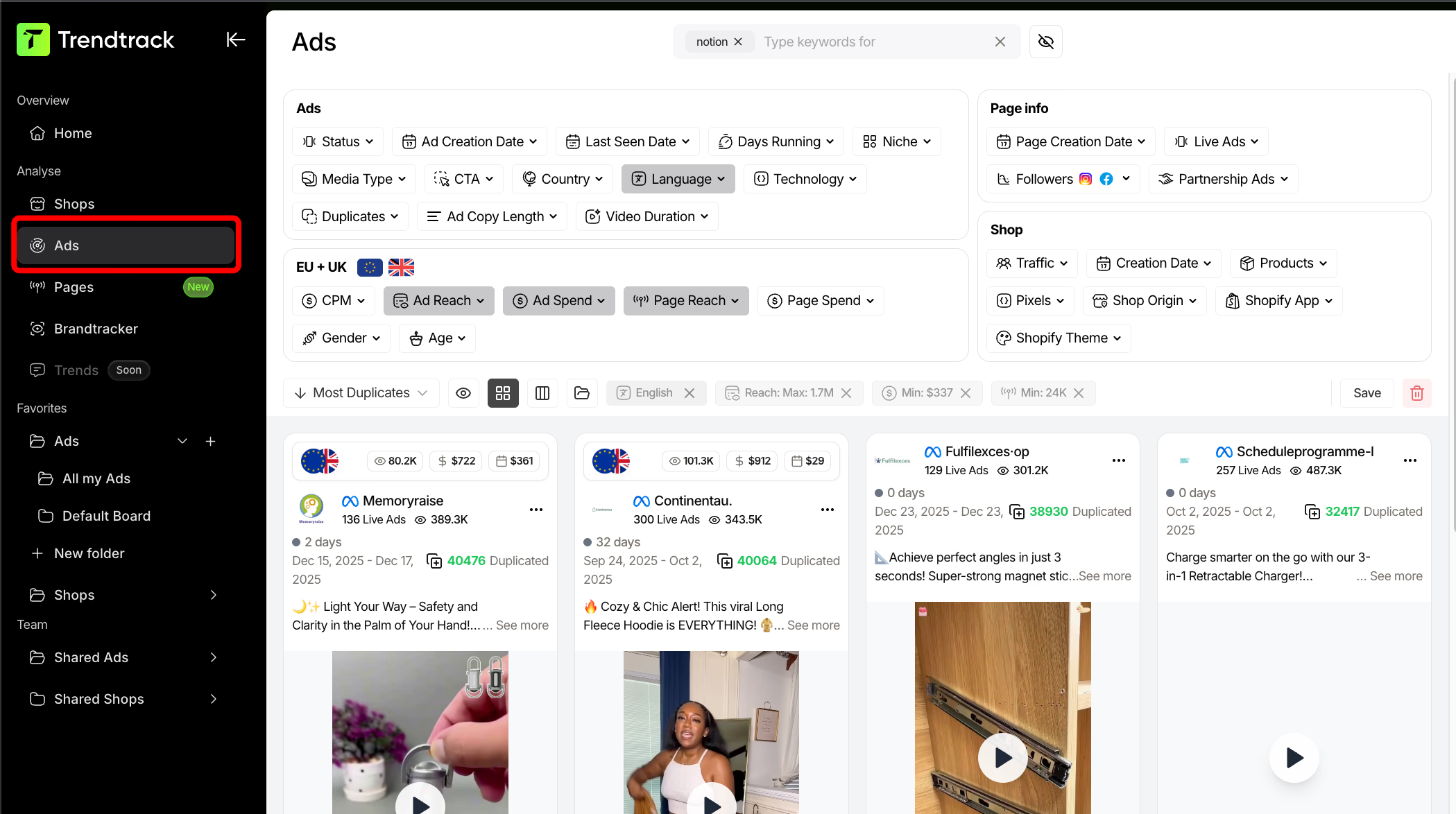
You can:
- Filter by category to see only stores in your niche.
- Filter by format like video, static, or carousel so you focus on assets your team can produce.
- Use the duplicates filter to find creatives brands run repeatedly, high duplication usually means the creative works.
- Check days running; long-running ads are often delivering returns.
These filters transform a generic gallery into a targeted alert system. You get a clear view of what’s being tested and scaled in your market right now.
Filter ads by performance metrics
Avoid guessing by examining spend and scale.
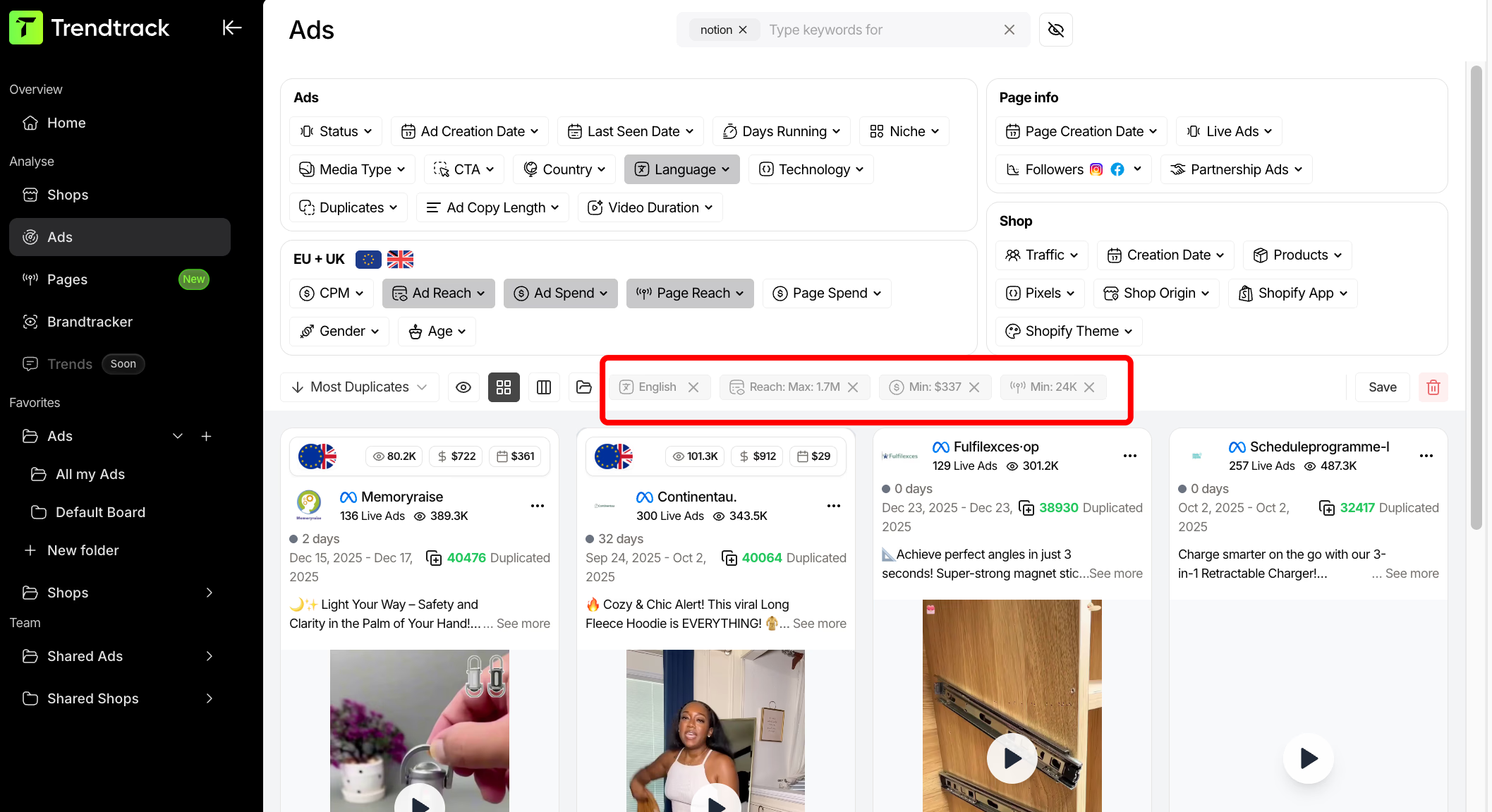
Filter for ads that spend significant budgets over several days or weeks. Add impression filters to interpret strategy:
- High spend with low impressions often means expensive, high-intent targeting.
- High impressions with modest spend can indicate broad, efficient reach.
Use demographic filters like age and location to focus on creatives aimed at your audience. Combine this with traffic-growth filters to spot stores that are scaling, not declining.
This way, you can validate ideas based on real data.
Track estimated ROAS to identify which creatives drive profitable campaigns. You can calculate return on ad spend by combining spend data with traffic patterns. This helps you focus on ads that generate revenue, not just views.
Filter by high estimated ROAS to see which creative styles deliver the strongest returns in your niche.
Want to benchmark your creative performance? Learn what a good ROAS for Facebook ads looks like so you know if your estimated returns are truly competitive in your industry.
Identify trending ad formats in your industry
You can view the distribution of formats: images, videos, and carousels.
Keep an eye on competitors over time. If many top players switch to more video content, that’s a market signal worth testing.
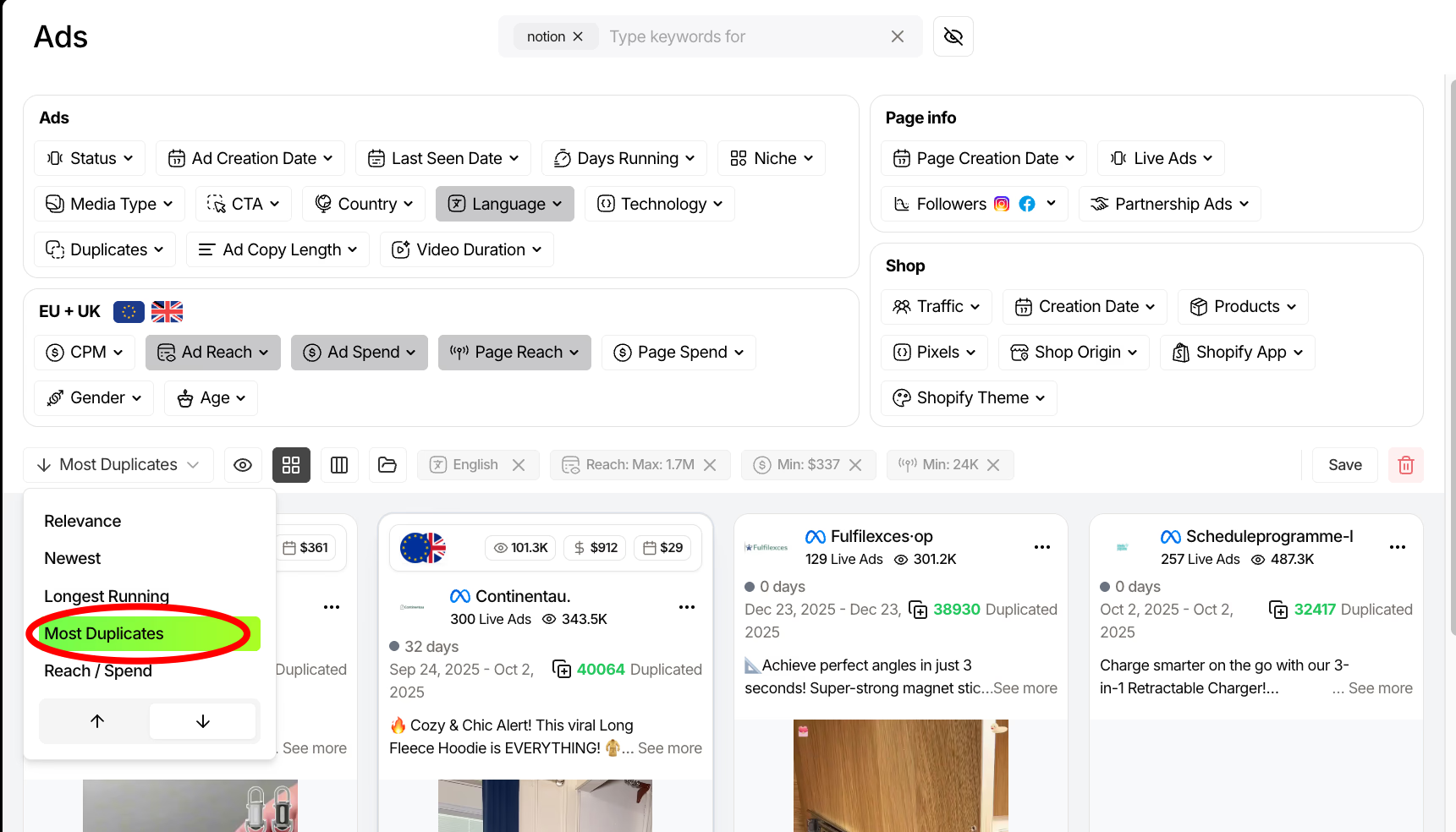
The ads tab groups assets by store and sorts by Most duplicated. When the same UGC-style video or testimonial image appears across multiple campaigns, it's typically profitable.
Timeline and Testing views reveal which new creatives survive the first week and which fail. This provides real-time proof of what works.
Analyze what works before you invest
Reduce risk by reverse-engineering proven creatives.
You can:
- Review ad copy and headline tabs to identify messaging patterns to adapt.
- Preview landing pages to understand the full funnel—the hook, offer, and product presentation.
- Use keyword search to find creatives addressing specific pain points or benefits relevant to your product.
If no one in your niche spends on the format you want to try, decide if that’s an opportunity or a warning. Know this before investing in a costly production.
Launch confidently with real data.
Trendtrack transforms creative research from random inspiration into a repeatable system. You can spot formats receiving budget, discover messaging that passes testing, and track funnels that convert. Learn the secrets behind the fastest growing DTC brands.
Final Words
The best ad creatives solve real problems, respect how people scroll, and build trust fast. Use these proven examples as your blueprint, then validate your own ideas with performance data before you scale.

.avif)
Ready to build a million-dollar brand?
.avif)