Alibaba Review 2026: Is It Reliable?



The question comes up before every first order, usually after reading a horror story about a supplier who disappeared with the deposit. So is Alibaba reliable?
The platform is. Individual suppliers vary enormously. That distinction is the entire answer, and confusing the two is how people lose money.
Alibaba operates as a marketplace, not a seller. It connects you with hundreds of thousands of manufacturers and trading companies, and it provides mechanisms to reduce your risk. It does not vet product quality or guarantee that any given supplier will perform.
Treating it like a vendor rather than a directory is the error underneath most bad outcomes.
Three mechanisms genuinely protect buyers.
Trade Assurance holds your payment until you confirm the order meets agreed terms, covering quality and delivery disputes. Paying outside it, whatever discount a supplier offers, removes your recourse entirely.
Verified Supplier and Gold Supplier statuses indicate paid verification levels. They reduce risk without eliminating it, and neither says anything about product quality.
Transaction history on supplier profiles shows order volume and buyer ratings, which tells you more than any badge.
Three risks remain real regardless.
Quality variance, since nothing substitutes for samples. Communication gaps, where language and time zones slow problem resolution. And trading companies presenting as manufacturers, which adds a margin layer you pay.
In this article we examine how reliable Alibaba actually is, and how to reduce the risk that remains.
What Is Alibaba?
Alibaba is a business-to-business wholesale marketplace connecting buyers with manufacturers and suppliers, primarily in China.
Founded in 1999 by Jack Ma, it became the largest B2B sourcing platform in the world and the foundation of Alibaba Group, which also operates AliExpress, Taobao and Tmall.
The distinction with those sister platforms matters more than most buyers realise.
AliExpress sells single units to consumers at fixed prices. Alibaba sells wholesale quantities to businesses at negotiated prices. Same group, same factories, entirely different terms.
Three characteristics define how the platform works.
It is a directory, not a seller. Alibaba hosts listings from hundreds of thousands of independent suppliers. It does not manufacture, stock or ship anything, and it does not inspect product quality before a listing goes live.
That architecture explains both the breadth of what you can find and the variance in what you receive.
Minimum order quantities apply to most listings, frequently between 100 and 1,000 units. That threshold excludes casual buyers and unlocks pricing they never access.
Prices are negotiable. Listed figures are starting points. Volume, payment terms and the relationship itself all move the number, and suppliers expect the conversation rather than resenting it.
Two supplier types coexist on the platform, and telling them apart affects your margin.
Manufacturers produce the item themselves. You get factory pricing and direct control over specifications.
Trading companies buy from factories and resell. They add a margin layer and a communication layer, though some offer genuine value by handling multiple product categories or export paperwork.
Neither type is automatically better. A reliable trading company beats an unresponsive factory, and many successful importers work with both.
Beyond sourcing, Alibaba provides logistics services, payment handling and verification programmes, which is where its reliability mechanisms live.
How Does Alibaba Actually Work?
The process runs in five stages, and the mistakes cluster in the first two.
Finding suppliers
You search by product or browse categories, which returns hundreds of listings that look nearly identical.
The useful filters are Verified Supplier status, transaction history and response rate. A supplier with substantial order volume and visible buyer ratings tells you more than any badge.
Contact several rather than one. Comparing quotes is how you learn what the real price range is.
Requesting quotes
You send an inquiry specifying quantity, specifications and destination.
Expect to negotiate. Listed prices are starting points, and volume, payment terms and relationship all move the number.
This stage reveals supplier quality before you spend anything. A supplier who answers slowly, ignores your questions or quotes without detail will behave the same way when a problem arises.
Ordering samples
Non-negotiable, and the step people skip when they are impatient.
Expect to pay for samples, including shipping. A supplier refusing them or charging unreasonably has answered a question about the relationship.
Order from three suppliers minimum before committing. The variance between them is frequently larger than any listing suggests.
Placing the order and paying
Use Trade Assurance, which holds your payment until you confirm the order meets agreed terms.
Suppliers sometimes offer a discount for paying directly by bank transfer. That discount costs you every protection the platform provides, and it is the single most common factor in buyers losing money.
Typical terms involve a deposit upfront with the balance on completion.
Shipping and customs
This becomes your responsibility, and first-time importers underestimate it consistently.
You arrange sea or air freight, handle customs clearance and pay duties and taxes in your destination country.
Calculate landed cost rather than unit cost. A product 40% cheaper per unit can cost more delivered.
Production plus shipping typically spans four to ten weeks.
What Protections Does Alibaba Offer Buyers?
Three mechanisms exist, and they differ considerably in what they actually guarantee.
Trade Assurance is the one that matters. Your payment is held until you confirm the order meets the agreed terms, covering both quality specifications and delivery dates. If the supplier fails on either, you have a documented claim rather than an email thread.
The protection applies only to orders placed and paid through the platform. Paying a supplier directly, whatever discount they offer, removes it entirely. That single decision accounts for most of the money buyers lose on Alibaba.
Verified Supplier and Gold Supplier statuses indicate that a supplier has paid for verification of their business registration and facilities. They confirm a company exists and operates. They say nothing about product quality, and treating them as a quality signal is a common error.
Transaction history and ratings on supplier profiles are frequently more informative than either badge. Order volume, response rate and buyer feedback reflect actual behaviour rather than a paid status.
One limitation worth stating. These protections reduce risk, they do not eliminate it. Samples remain the only reliable quality check, and no mechanism replaces them.
What Are the Real Risks on Alibaba?
Several risks persist regardless of which supplier you choose. Here are the main ones.
Quality differing from the sample on the production run
Trading companies presenting as manufacturers, adding a margin layer
Payments made outside Trade Assurance, removing all recourse
Communication gaps from language and time zone differences
Production delays pushing lead times beyond what was agreed
Landed cost exceeding projections through freight, duties and handling
Customs clearance issues on incorrectly documented shipments
Intellectual property problems on products resembling protected designs
Among these, the sample versus production gap causes the most damage. A supplier sends an excellent sample and ships a lesser product at volume, which you discover after paying the balance.
Third-party inspection before the final payment addresses this, and it costs a fraction of a bad shipment.
Paying outside Trade Assurance remains the error with the worst consequences. Suppliers offer discounts for direct bank transfer, and buyers accept them. That decision removes every protection the platform provides.
Landed cost miscalculation is the quietest risk. Freight, duties, port handling and inland delivery frequently add 20 to 40% to your unit cost, which reverses a margin that looked comfortable.
How Do You Choose a Reliable Supplier When Making a Purchase?
The selection process matters more than any protection mechanism. Here is how to run it.
Shortlist five to ten suppliers rather than one
Check transaction history and response rate
Determine whether they manufacture or resell
Send a detailed inquiry and measure the reply
Order samples from at least three
Verify the factory independently
Negotiate terms and specifications in writing
Place a smaller first order
The first step sets everything else up. Shortlist broadly, because comparing five quotes teaches you what the real price range is. A single supplier gives you no reference point and no leverage.
The second step favours behaviour over badges. Transaction history, order volume and response rate reflect how a supplier actually operates, where Verified status only confirms their business registration.
The third step affects your margin directly. Ask plainly whether they manufacture the product or source it. A supplier who deflects is usually reselling, which means a layer of margin you pay and a layer of delay when problems arise.
The fourth step is the cheapest diagnostic available. Send a detailed inquiry with specific questions about materials, tolerances, packaging and lead times, then measure the reply.
A supplier who answers partially, slowly or vaguely before taking your money will behave identically afterward. This single test eliminates more bad suppliers than any verification badge.
The fifth step is non-negotiable. Order samples from three suppliers minimum, pay for them, and compare side by side. The variance is frequently larger than the listings suggest.
The sixth step costs little and prevents the worst outcomes. Verify independently through a video call showing the facility, a business licence check, or a third-party inspection service.
The seventh step protects you later. Put specifications, tolerances, packaging and penalties for delay in writing before production starts. Verbal agreements resolve nothing in a dispute.
The eighth step limits your exposure. A smaller first order at a slightly higher unit price is cheaper than discovering a quality problem across a thousand units.
One habit worth adopting: arrange third-party inspection before the final payment. It costs a fraction of a bad shipment and catches the sample-versus-production gap.
Conclusion: Reliable Platform, Variable Suppliers
Alibaba is reliable. Individual suppliers are not uniformly so, and confusing the two is how buyers lose money.
The platform is a directory, not a vendor. It connects you with hundreds of thousands of independent suppliers, provides mechanisms to reduce your risk, and inspects none of their products. Treating it as a seller rather than a marketplace produces most bad outcomes.
Three protections genuinely work. Trade Assurance holds your payment until the order meets agreed terms, and it is the one that matters. Verified Supplier status confirms a company exists and operates, nothing about quality. Transaction history and response rate tell you more than either badge, because they reflect behaviour rather than a paid status.
One decision causes more losses than every other factor combined: paying outside Trade Assurance. Suppliers offer discounts for direct bank transfer, buyers accept them, and every protection disappears with that transfer.
On the risks that persist, two deserve your attention. The sample versus production gap, where an excellent sample precedes a lesser shipment, which third-party inspection before final payment addresses. And landed cost, where freight, duties and handling frequently add 20 to 40% to a unit price that looked comfortable.
The selection process matters more than any mechanism. Shortlist broadly, measure how suppliers respond before you pay, order samples from three minimum, and place a smaller first order than your target volume.
That last habit costs a few percent per unit and prevents the expensive discovery.
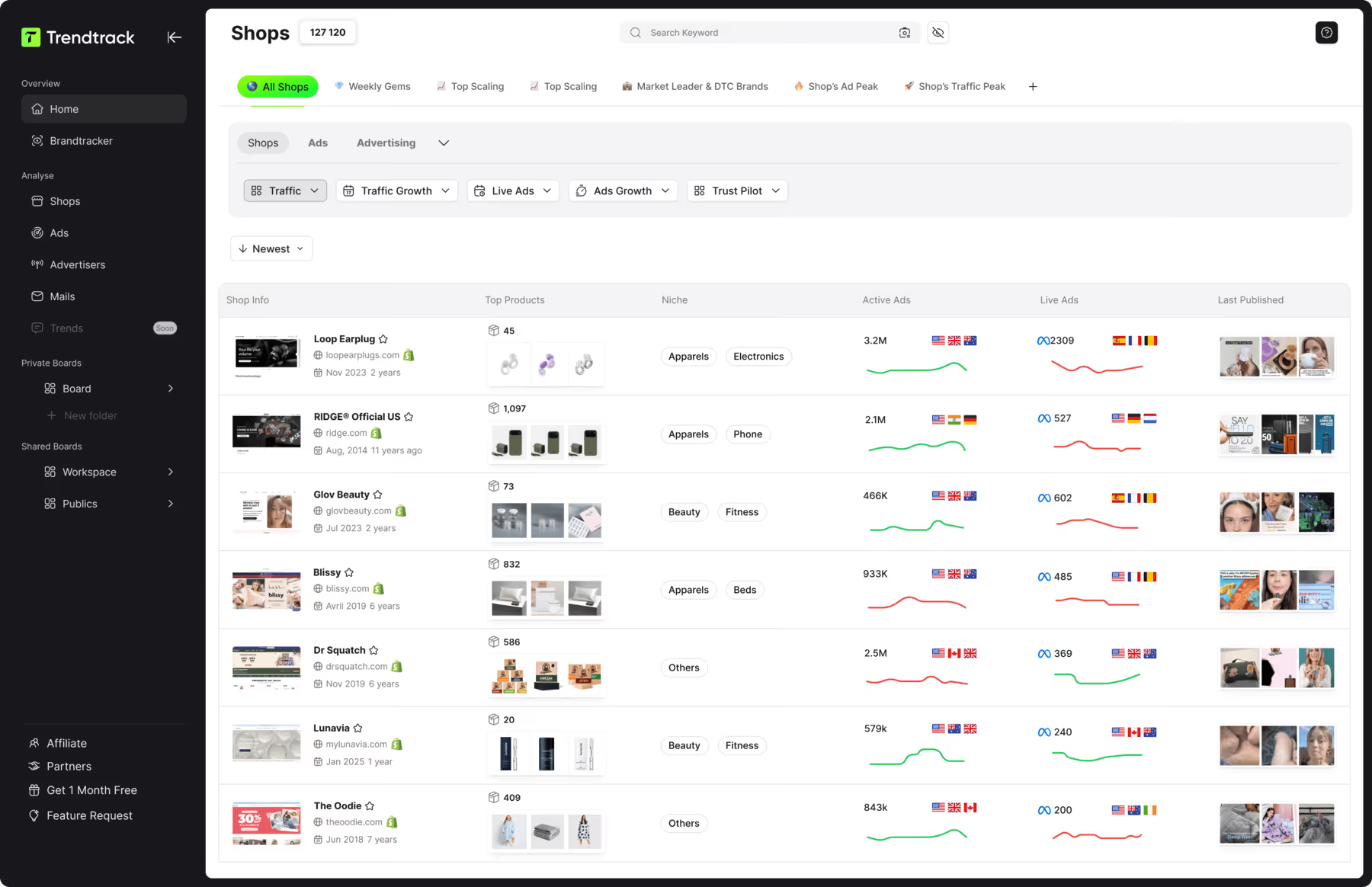
One structural note to finish. Alibaba answers where to source, never what to source. The reliability of your supplier matters considerably less than whether the product sells, and no sourcing platform tells you that.


准备好打造一个百万美元级别的品牌了吗?