AliExpress Review 2026: Is It a Reliable Site?



The platform has been operating since 2010 and remains one of the most searched names in e-commerce sourcing, usually alongside the word scam. So is AliExpress reliable?
Yes, as a platform. Individual sellers vary considerably. That distinction carries the entire answer.
AliExpress is a marketplace owned by Alibaba Group, not a retailer. It hosts millions of independent Chinese sellers, processes payments, and provides dispute resolution. It does not manufacture, stock or inspect anything.
Your experience therefore depends on which seller you choose rather than on the platform itself.
Three mechanisms protect buyers genuinely.
Buyer Protection refunds you when an order fails to arrive or differs materially from its description, within a defined window.
Escrow payment means your money reaches the seller only after you confirm receipt, not at checkout.
Seller ratings and order volume reflect behaviour across thousands of transactions, which is more informative than any single review.
Three limitations are structural rather than occasional.
Shipping times of one to four weeks remain the norm, with faster options at higher cost. Quality variance is wide, and ratings aggregate across product variants in ways that mislead. No branding control exists, with products arriving in generic packaging.
For dropshippers specifically, one additional risk deserves flagging: suppliers occasionally include invoices showing your purchase price inside the parcel.
In this article we examine how reliable AliExpress actually is, and how to reduce the risk that remains.
What Is AliExpress?

AliExpress is a retail marketplace launched in 2010 by Alibaba Group, built for consumers buying single items directly from Chinese sellers.
That consumer orientation separates it from its sister platform. Alibaba sells wholesale quantities to businesses at negotiated prices. AliExpress sells single units to anyone at fixed prices. Same group, same factories frequently, entirely different terms.
Three characteristics define it.
No minimum order. You buy one unit, which is why dropshippers use it. Testing twenty products costs twenty single purchases rather than twenty inventory commitments.
Fixed pricing. Listed prices are final, with no negotiation and no relationship to build.
Direct shipping to any address. The seller ships wherever you specify, which removes warehousing and fulfillment from your operation entirely.
One structural point shapes everything else. AliExpress is a marketplace, not a retailer. It hosts millions of independent sellers, processes payments and handles disputes. It does not stock products, set quality standards or inspect what ships.
Who you buy from therefore matters more than the platform itself, and sellers range from manufacturers operating a storefront to trading companies reselling with an added margin.
How Does AliExpress Protect Buyers?
Four mechanisms exist, and understanding what each actually covers determines whether you recover money when something goes wrong.
Buyer Protection is the core guarantee. It covers orders that never arrive, arrive damaged, or differ materially from the listing description.
The protection runs for a defined window after delivery, typically 15 days once the order is marked received. That window is the detail people miss. Inspect what arrives immediately rather than setting the parcel aside, because the clock runs whether you opened it or not.
Escrow payment means your money sits with AliExpress rather than reaching the seller at checkout. The seller is paid only once you confirm receipt or the confirmation window expires automatically.
That structure removes the risk of a seller disappearing with your payment, which is the failure mode buyers fear most and the one that almost never happens on this platform.
The dispute system handles disagreements. You open a dispute within your protection window, provide evidence, and the seller responds. AliExpress arbitrates when the two sides disagree.
Three practical notes on disputes matter more than the mechanism itself.
Photograph everything on arrival, including packaging. Claims supported by images resolve favourably far more often than claims described in text.
Do not confirm receipt until you have inspected the order. Confirming early starts your countdown and weakens your position.
Open the dispute before the window closes. AliExpress applies the deadline strictly, and a legitimate claim filed late is a claim refused.
Seller ratings and order volume form the fourth protection, and it is preventive rather than corrective.
A seller with thousands of orders and consistent feedback has behaved predictably across a large sample. One with few orders and perfect ratings tells you nothing statistically.
Read the negative reviews specifically. They identify recurring problems that star averages conceal.
One limitation worth stating. These protections cover transactions, not quality standards. A product that arrives exactly as described but performs poorly is not a protected case.
What Are the Real Risks on AliExpress?
Five risks persist regardless of which seller you choose, and the first two cost dropshippers the most.
Shipping times
The most predictable problem and the hardest to solve on this platform.
Standard delivery runs one to four weeks depending on method and destination. Faster options exist through AliExpress Standard Shipping or ePacket equivalents, at higher cost per unit.
The issue is not the duration itself but the gap with expectation. Customers accustomed to two-day delivery experience a three-week wait as a failure regardless of what your product page stated.
That gap produces refund requests, chargebacks and negative reviews on orders that arrived exactly as promised.
Quality variance
Ratings help less than they appear, for a structural reason.
Review volume aggregates across product variants. A listing rated 4.8 across 3,000 reviews may include a colour or size that performs poorly, and the average conceals it.
Photographs in listings are also frequently supplied by the manufacturer rather than the seller, which means the same images appear across dozens of competing listings at different prices.
Order samples before selling anything. There is no substitute.
Supplier invoices in the parcel
This risk is specific to dropshipping and it ends customer relationships permanently.
Some sellers include an invoice or packing slip showing your purchase price inside the box. Your customer sees they paid 40 euros for something that cost you 6.
Message sellers before ordering and request no invoice or branded materials. Confirm it in writing, and verify on your first order.
Generic packaging
Products arrive in plain packaging with no branding, occasionally with the seller’s own materials inside.
For a store building a brand, this is a permanent handicap on the most memorable customer touchpoint.
Listing changes after purchase
Sellers occasionally modify listings, substituting a variant or changing specifications between your order and fulfillment.
Screenshot the listing when you order. It becomes your evidence if the dispute system is needed.
One risk category worth noting separately: counterfeit and IP issues. Products resembling protected designs or branded items expose you legally in your own market, regardless of where they were sourced.
How Do You Choose a Reliable Seller on AliExpress?
The selection matters more than any protection mechanism. Here is the process.
Filter by order volume rather than rating alone
Check how long the store has operated
Read the negative reviews specifically
Look at buyer photos rather than listing images
Verify the shipping method and destination coverage
Message the seller before ordering
Order a sample yourself
Screenshot the listing
The first step corrects the error most buyers make. Order volume beats rating. A seller with 5,000 orders at 4.6 stars has demonstrated consistency across a large sample. One with 30 orders at 4.9 has demonstrated almost nothing statistically.
The second step filters out opportunists. A store operating for several years has survived disputes, returns and seasonal pressure. New stores may be excellent, but you are testing them with your customer’s order.
The third step is where the useful information hides. Negative reviews identify recurring problems that star averages conceal: sizing inconsistencies, colour differences, items arriving damaged. Three reviews mentioning the same defect describe a pattern rather than bad luck.
The fourth step shows you the actual product. Buyer photographs reveal what ships, where listing images are frequently manufacturer stock shared across dozens of competing listings.
The fifth step prevents a common surprise. Verify the shipping method and whether your destination is covered before ordering, since some sellers list options unavailable to certain countries.
The sixth step is the cheapest diagnostic available. Message the seller with a specific question about specifications or shipping, and measure the reply.
A seller who answers quickly and precisely before taking your money will usually behave the same way when a problem arises. One who answers vaguely or not at all has told you something useful for free.
This is also where you request no invoice or branded materials in the parcel, which matters specifically for dropshipping.
The seventh step is non-negotiable. Order a sample yourself, to your own address, and inspect what arrives. The experience also shows you exactly what your customer will receive, including packaging and transit time.
The eighth step protects you later. Screenshot the listing when you order. Sellers occasionally modify listings between purchase and fulfillment, and your screenshot becomes evidence if a dispute follows.
One habit worth adopting: identify a backup seller for any product you sell regularly. Stores disappear, stock runs out, and having an alternative ready prevents an outage.
Conclusion: Reliable for Testing, Limiting for Scaling
AliExpress is reliable as a platform. Buyer Protection works, escrow payment means sellers are paid only after you confirm receipt, and the dispute system resolves most legitimate claims.
What varies is who you buy from, since the platform hosts millions of independent sellers and inspects none of them.
Three habits reduce that variance more than any protection mechanism. Filter by order volume rather than rating, since 5,000 orders at 4.6 stars means considerably more than 30 orders at 4.9. Read the negative reviews specifically, where recurring defects hide behind star averages. And order a sample yourself before selling anything.
On the protections, two details decide whether you recover money. Do not confirm receipt until you have inspected the order, because confirming starts your countdown. And photograph everything on arrival, since claims supported by images resolve favourably far more often.
The structural limitations are where the real cost sits, and they are not failures of the platform.
Shipping times of one to four weeks produce refund requests on orders that arrived exactly as promised, because the gap with customer expectation is what generates complaints. Generic packaging leaves you with no branding on your most memorable touchpoint. And supplier invoices in the parcel end customer relationships permanently, which makes requesting their removal in writing a non-optional step.
That summary produces a clear verdict. AliExpress is excellent for testing and limiting for scaling.
Validating a product costs you nothing in inventory. Once that product sells consistently, the same characteristics that made testing cheap become the constraint on your margin and your customer experience, which is the moment to move to wholesale sourcing.
The decision underneath all of this is which product deserves that commitment, and no sourcing platform answers it.
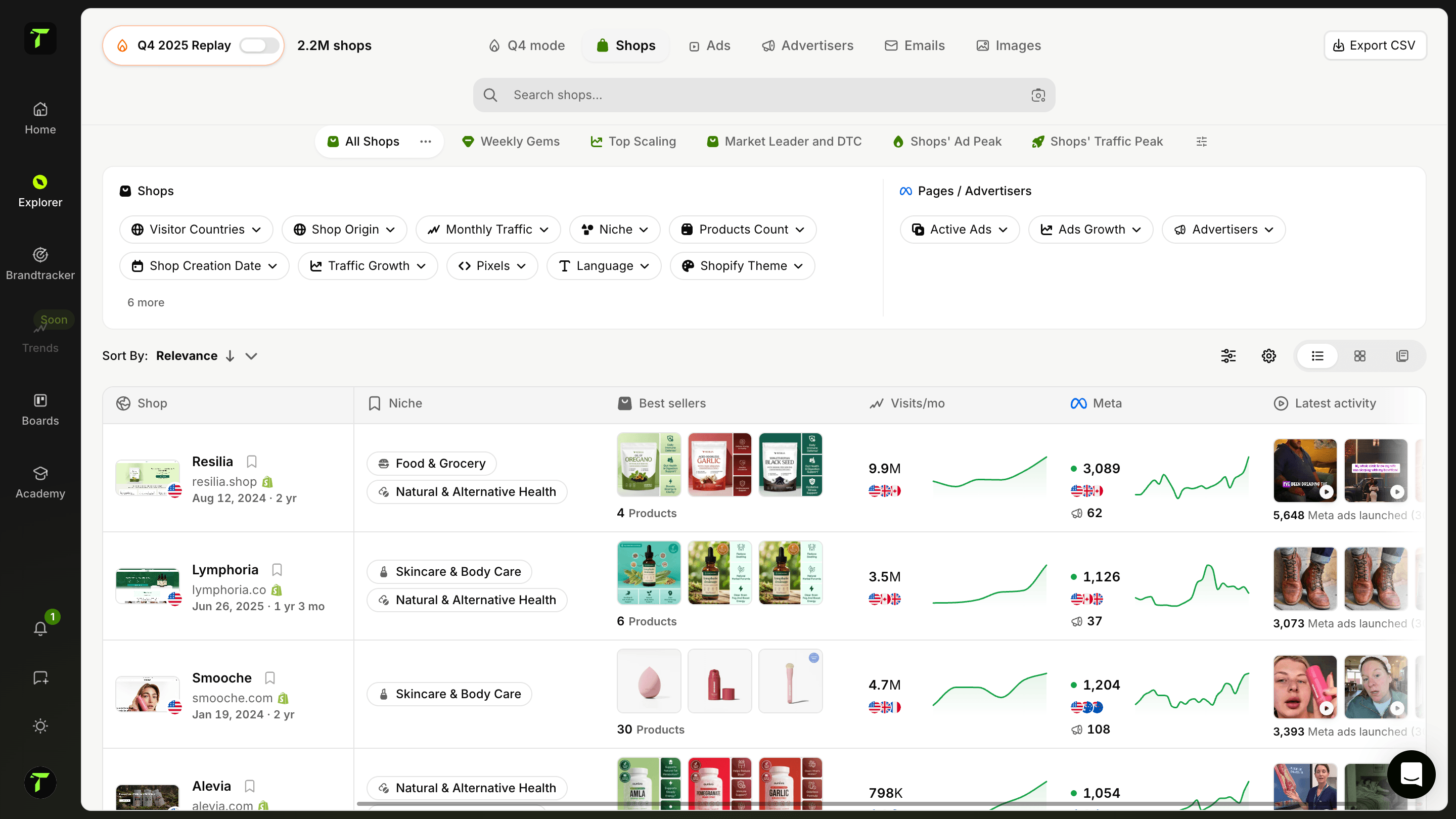
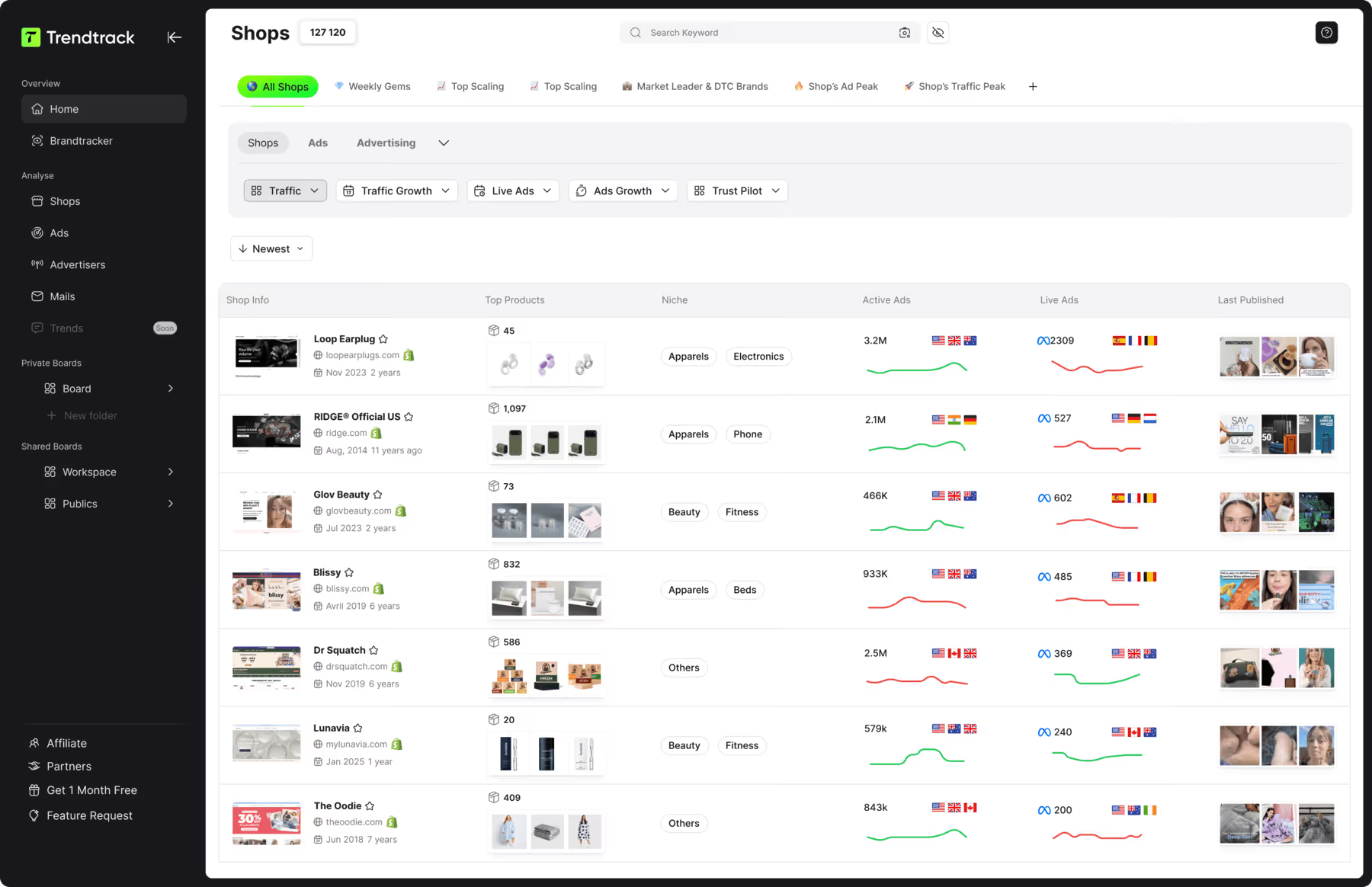
At Trendtrack available at app.trendtrack.io/en/sign-up, we index 95 million TikToks, preserve full ad history across Meta, TikTok and Google, and refresh 700,000+ brand profiles every 24 hours.


Pronto a costruire un brand da un milione di dollari?